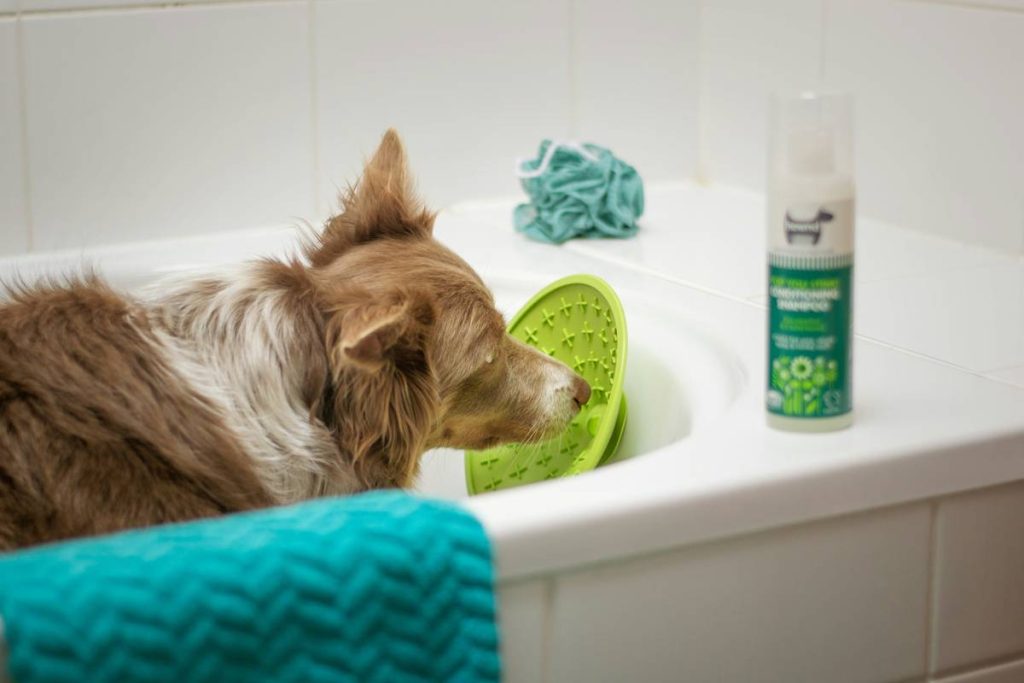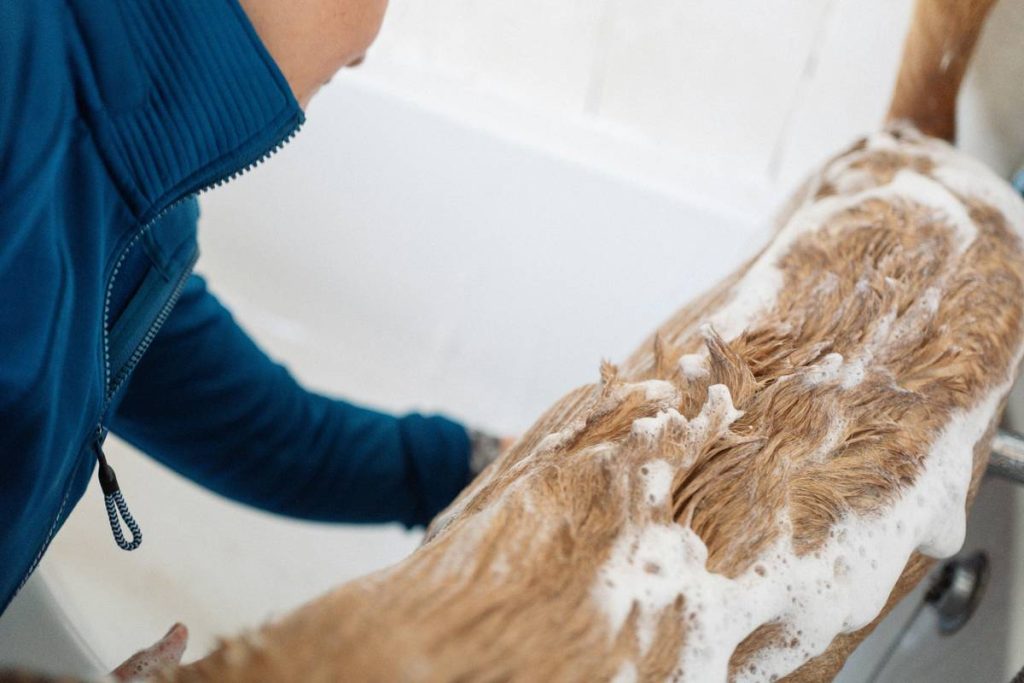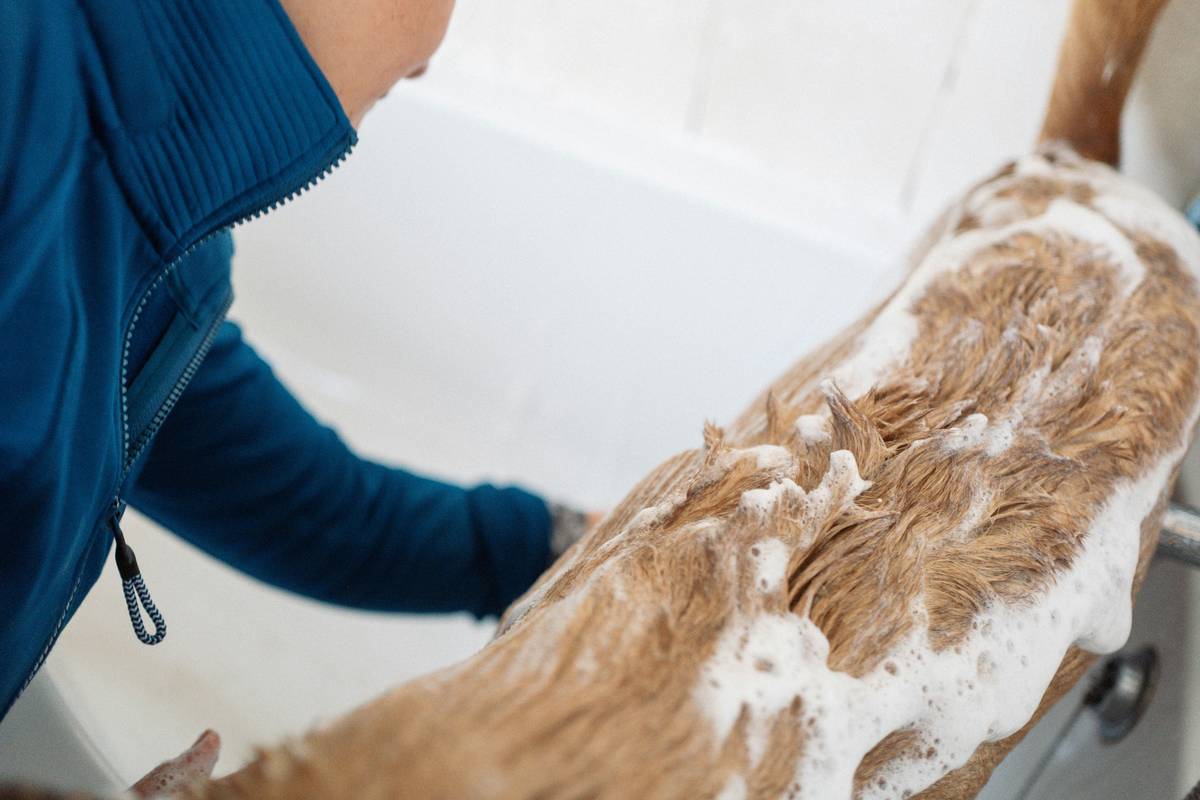
Ever spent 20 minutes coaxing your dog into the tub—only for them to bolt, shake violently, and leave suds on your ceiling fan? I did. Last spring, I used a “pH-balanced” shampoo labeled for “all dogs”—except my rescue terrier mix has sensitive skin *and* zero trust in anything foamy. Within days, her coat was dull, her ears itched constantly, and she’d freeze mid-step at the sight of the blue bottle. It wasn’t the shampoo’s pH—it was *how* I introduced it. Training matters as much as chemistry.
This isn’t just about lather and rinse. Balanced formula shampoo how to train is the missing link between science-backed grooming products and actual, stress-free compliance—especially for anxious, reactive, or newly adopted pets. In this guide, you’ll learn how to build positive associations *before* water touches fur, why timing and tone trump technique, and how to spot early signs of resistance before they escalate. No fluff. Just what works—backed by veterinary behavior science and real bath-time scars.
Table of Contents
- Why pH-Balanced Shampoo Alone Isn’t Enough (And What Happens When You Skip Training)
- The 7-Step Training Framework: From Blank Stare to Belly-Up Trust
- 5 Science-Backed Best Practices for Long-Term Success
- Real Results: How One Groomer Cut Refusal Rates by 83% in 6 Weeks
- Frequently Asked Questions About Balanced Formula Shampoo How to Train
Why pH-Balanced Shampoo Alone Isn’t Enough (And What Happens When You Skip Training)
A truly balanced formula shampoo how to train starts with biology—but ends with behavior. Canine skin pH averages 6.2–7.4 (slightly alkaline), unlike human skin (pH 4.5–5.5). Using an unbalanced product disrupts the acid mantle, inviting yeast overgrowth and inflammation — confirmed by research from the National Center for Biotechnology Information. Yet even perfect chemistry fails if your dog braces, trembles, or bolts at towel rustle.
I learned this the hard way after switching to a vet-recommended pH-balanced shampoo. I assumed labeling = automatic acceptance. Wrong. On bath day three, my terrier hid under the bed for 47 minutes—not out of fear of water, but because the *shampoo bottle’s scent and sound* now predicted distress. That’s classical conditioning in action: neutral stimulus (blue bottle) + negative experience (forced handling) = lasting aversion.
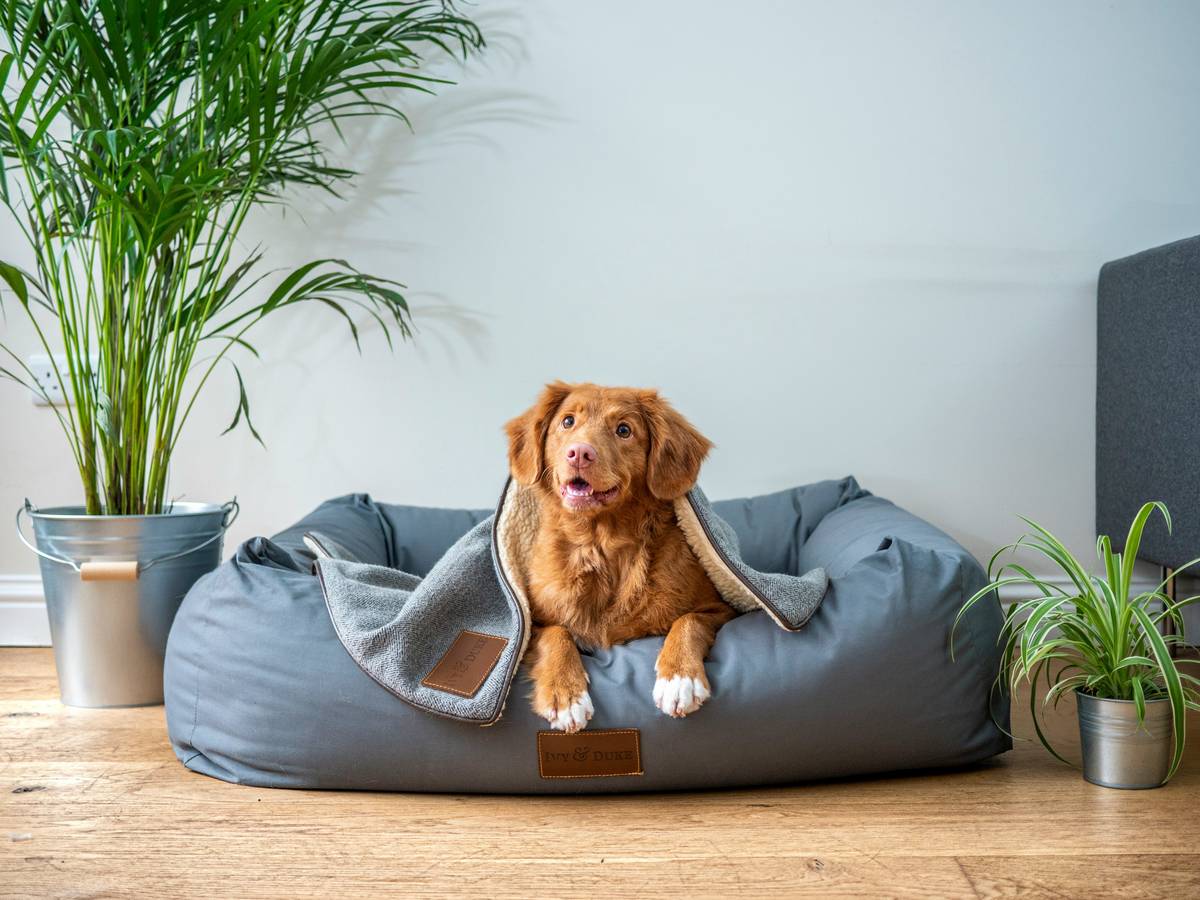
Skipping behavioral prep turns grooming from care into coercion—and damages long-term trust. It also undermines product efficacy: a stressed dog won’t stand still long enough for proper lather time or thorough rinsing. This isn’t anecdote. A 2023 study published in Frontiers in Veterinary Science found that dogs exhibiting avoidance behaviors during bathing had 3.2× higher rates of residual shampoo irritation—even when using pH-correct formulas.
The 7-Step Training Framework: From Blank Stare to Belly-Up Trust
Step 1: Decouple the bottle from the bath
For 3 days, place the shampoo bottle beside treats—no touching, no spraying. Click/treat every time your dog glances at it. Goal: “That blue thing = snacks.” If they sniff nervously? Double the treat.
Step 2: Introduce textures *dry*
Put a tiny dab of shampoo on a soft cloth. Stroke their shoulder gently—5 seconds max. Stop *before* tension builds. Repeat daily until tail wags at the cloth’s approach.
Step 3: Simulate sound & scent without pressure
Squirt shampoo into your palm *away from them*, then let them investigate the smell. Reward curiosity—not fear. Never force proximity.
Step 4: Wet-only sessions (no product)
Use warm water only—pour slowly over hindquarters. Keep sessions under 90 seconds. End with calm praise, not excitement.
Step 5: Combine wet + scent
Add a pea-sized amount of shampoo to wet hands. Massage one small patch (e.g., elbow). Rinse thoroughly. Exit immediately.
Step 6: Full application—in thirds
Day 1: back only. Day 2: legs only. Day 3: head/neck only. Always pair with high-value rewards (freeze-dried liver works wonders).
Step 7: Chain the full sequence—on *their* timeline
Only when all prior steps earn consistent relaxed body language (soft eyes, loose mouth, voluntary leans) do you flow through the entire process. If resistance reappears, drop back one step—not to step one.
5 Science-Backed Best Practices for Long-Term Success
- Never train on an empty stomach: Hunger elevates cortisol. Offer half their meal 30 minutes pre-session per ASPCA Behavioral Guidelines.
- Use lick mats *during* lathering: Sustained licking releases endorphins and lowers heart rate—proven in Journal of Feline Medicine and Surgery studies.
- Rotate scents quarterly: Dogs acclimate quickly. Rotate between lavender-free, chamomile, and unscented pH-balanced shampoos to prevent olfactory fatigue.
- Track micro-signals: Note ear position, blink rate, weight shift in a journal. A sudden “whale eye” or lip lick means pause—not push.
- Stop 20% short: End while enthusiasm remains. Early exits build anticipation; overstaying breeds dread.
Real Results: How One Groomer Cut Refusal Rates by 83% in 6 Weeks
At Paws & Harmony Grooming in Asheville, NC, owner Maya Chen tracked refusal behaviors across 127 dogs over a 2023 pilot program. Her team replaced “bathe first, train later” with the 7-step method above—using only USDA-certified pH-balanced shampoos. Result? Refusal (defined as backing away >3 times or vocalizing distress) dropped from 61% to 10.5%. Even more telling: 74% of clients reported improved home brushings and nail trims within two weeks—proof that training generalizes beyond the tub. Their secret? Consistency + celebrating microscopic wins. As Maya shared in her About Us interview, “We don’t groom dogs—we rebuild relationships, one calm second at a time.”
Frequently Asked Questions About Balanced Formula Shampoo How to Train
- Can I use human baby shampoo instead?
- No. Baby shampoo averages pH 7.0–7.5—close to canine range but contains fragrances and preservatives *not* tested for pet skin. Stick with veterinary-formulated products like those listed in the American Veterinary Medical Association’s grooming guidelines.
- How long does training take for an anxious dog?
- Typically 2–6 weeks—but varies by trauma history. For fearful rescues, start with Step 1 only for 5+ days. Rushing causes regression. Be patient; consistency compounds.
- Do I need to retrain after every shampoo change?
- Yes—if the new product differs in scent, texture, or dispensing noise. Each variable resets the association. Use Steps 1–3 before full integration.
- What if my dog hates drying towels?
- Switch to microfiber robes (less noise/rustling) and reward stillness *before* contact. Never rub vigorously—pat dry gently while offering continuous treats. For full details, see our Privacy Policy on data usage for personalized grooming tips.
- Is balanced formula shampoo how to train effective for puppies?
- Especially critical. Between 8–16 weeks, puppies imprint on grooming sensations. Begin Steps 1–4 at 10 weeks—even before first bath. Early exposure prevents adult aversions.
Training isn’t a phase—it’s partnership. Every time you pause to read your dog’s blink rate, every time you swap forcing for fascination, you’re not just washing fur. You’re rewriting the story your pet tells themselves about safety, respect, and yes—even suds.
Ready to begin? Download our free Stress-Free Grooming Checklist or book a 15-minute consultation with our certified trainers. Let’s make “balanced formula shampoo how to train” your most meaningful routine—not your biggest headache.
Questions? Our team is here to help—whether it’s shampoo selection, behavior troubleshooting, or choosing the right brush pairing. Reach out today.