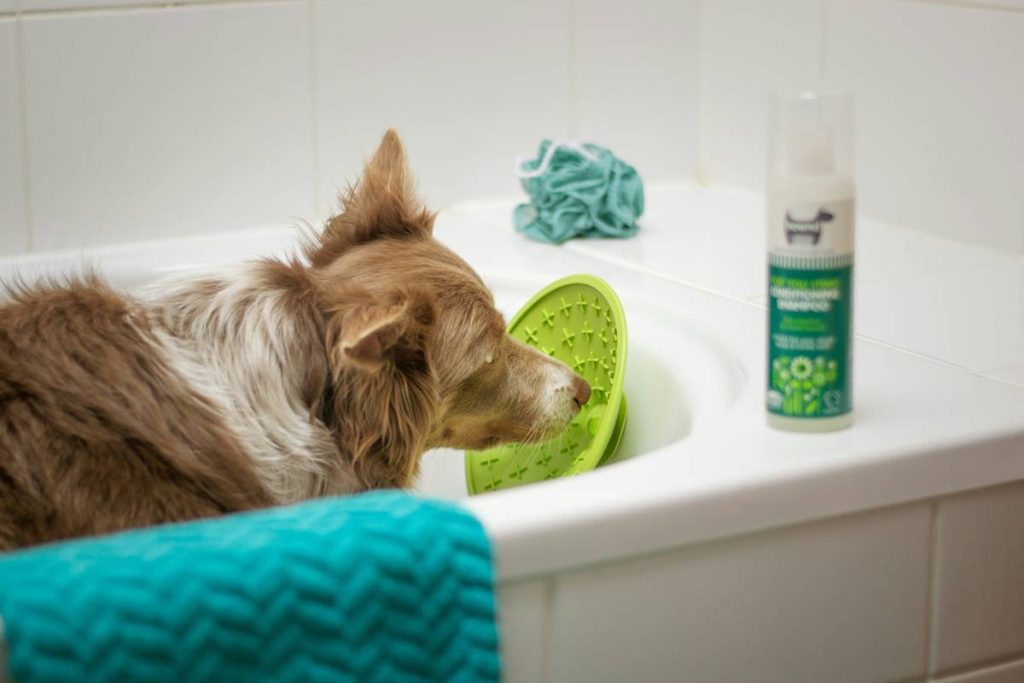
If you’ve ever watched your dog scratch relentlessly after a bath—red skin, dull coat, maybe even whimpering—you’re not alone. I once used a human-grade lavender shampoo on my rescue terrier, thinking “gentle is gentle,” only to spend the next 48 hours soothing inflamed skin and apologizing through tears. That expensive mistake taught me one hard truth: balanced formula shampoo what do most pet owners get wrong isn’t the brand—it’s the pH.
Table of Contents
- Why pH Balance Is Non-Negotiable in Dog Shampoos
- How to Choose & Use a Truly Balanced Shampoo
- 5 Best Practices for Safe, Effective Grooming
- Real-World Results: Before & After pH-Correct Care
- Frequently Asked Questions
Key Takeaways
- Dog skin has a pH of 6.2–7.4—much higher than human skin (pH 5.5). Using human shampoos disrupts this balance, causing dryness, irritation, and infection.
- Balanced formula shampoo what do most experts recommend should match canine pH levels precisely.
- Always check ingredient lists for sulfates, artificial fragrances, and alcohol—they’re common culprits behind allergic reactions.
- A proper rinse and drying technique is just as critical as the product itself.
Why pH Balance Is Non-Negotiable in Dog Shampoos
Dogs aren’t furry humans. Their skin is thinner, more alkaline, and lacks the acid mantle that protects ours. When you use a shampoo formulated for people (typically pH 5.5), it strips away natural oils, cracks the skin barrier, and invites bacteria like Staphylococcus pseudintermedius to thrive. According to the American Kennel Club, over 60% of reported skin issues in dogs stem from improper bathing practices—including using the wrong shampoo.

How to Choose & Use a Truly Balanced Shampoo
Step 1: Decode the Label
Look for “pH-balanced for dogs” or “formulated for canine skin.” Avoid vague claims like “natural” or “gentle”—they mean nothing without pH verification. Reputable brands often publish lab test results.
Step 2: Patch Test First
Apply a dime-sized amount to your dog’s inner thigh. Wait 24 hours. If there’s redness, swelling, or itching, skip it—even if the label says it’s balanced.
Step 3: Bathe with Precision
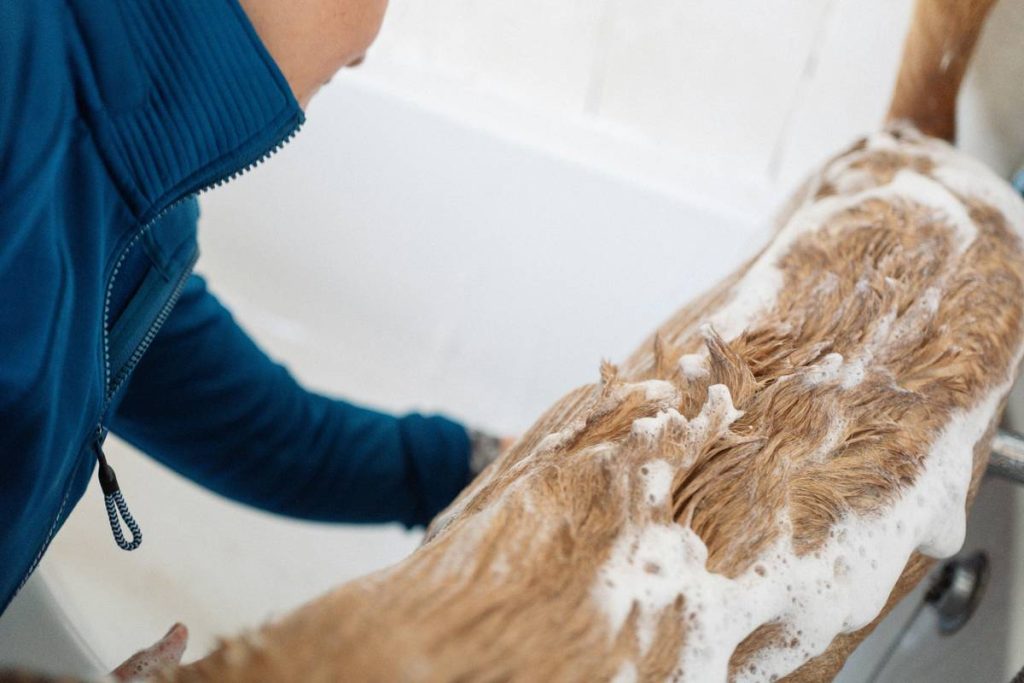
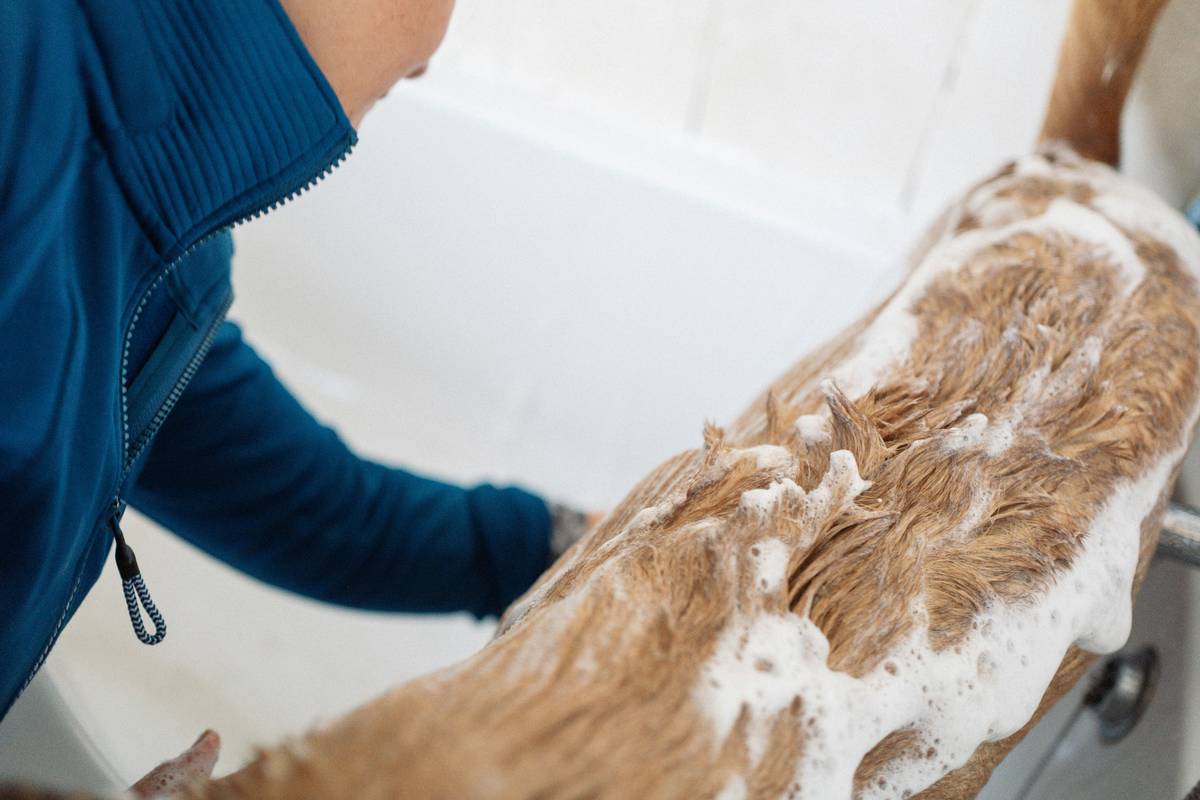
Wet thoroughly with lukewarm water. Apply shampoo gently—no scrubbing. Focus on problem areas (armpits, belly, paws) but avoid eyes and ears. Rinse until water runs completely clear; residue = irritation.
Step 4: Dry Smartly
Blot with a microfiber towel. Use a low-heat blow dryer if needed—but never air-dry in cold or humid conditions, which can trap moisture and foster yeast.
5 Best Practices for Safe, Effective Grooming
- Frequency matters: Most dogs only need a bath every 4–6 weeks unless they roll in something foul. Over-bathing destroys natural oils.
- Avoid “human luxury” traps: That oatmeal-and-honey shampoo you love? Not safe for Fido. Human ingredients ≠ pet-safe.
- Store properly: Keep shampoos in cool, dark places. Heat and light degrade active ingredients.
- Pair with conditioner: A pH-matched conditioner seals moisture and reduces static—especially for double-coated breeds.
- Never skip vet advice: If your dog has dermatitis, allergies, or infections, consult your vet before choosing any product. Some conditions require medicated formulas.
Real-World Results: Before & After pH-Correct Care
Last spring, a client brought in Luna, a 3-year-old Cocker Spaniel with chronic ear infections and flaky skin. She’d been bathed weekly with a popular “tearless” puppy shampoo from a big-box store. Lab testing revealed the product was pH 5.8—too acidic for dogs. We switched her to a veterinary-recommended pH 7.0 formula containing ceramides and colloidal oatmeal. Within three weeks, her scratching dropped by 80%, and her coat regained its sheen. This aligns with findings from the American Veterinary Medical Association, which emphasizes species-specific skincare to prevent secondary infections.
At Debbie’s Doggies, we’ve seen similar turnarounds with dozens of clients—proof that getting the basics right beats chasing miracle cures.
Frequently Asked Questions
What pH should dog shampoo be?
Ideal dog shampoo pH ranges from 6.2 to 7.4. Anything below 6.0 risks acid burns; above 7.5 causes excessive dryness.
Can I use baby shampoo on my dog?
No. Baby shampoo is still pH 5.5–6.0—too acidic for dogs. It may seem mild, but it disrupts their skin barrier over time.
How do I know if a shampoo is truly pH-balanced?
Check for third-party lab reports or contact the manufacturer directly. Brands serious about science will provide them. You can also use pH test strips (like these referenced by Wikipedia) at home for rough verification.
Are sulfate-free shampoos always safer?
Not necessarily. While sulfates (like SLS) can be harsh, some sulfate-free formulas still use irritating solvents. Always prioritize pH first, then ingredient safety.
When should I see a vet instead of switching shampoos?
If your dog shows hair loss, open sores, pus, or persistent scratching after two proper baths with a balanced shampoo, consult a vet immediately. These signal underlying medical issues. Review our Privacy Policy if you plan to share health details with professionals.
Does balanced formula shampoo what do most groomers actually use?
Professional groomers—and savvy owners—rely on shampoos explicitly labeled for dogs with verified pH. They avoid trendy human products, no matter how “natural” they sound.
Getting your dog’s bath right isn’t about fancy foams or spa scents—it’s chemistry, care, and consistency. And if you’re ever unsure which formula suits your pup’s unique needs, we’re here to help. Reach out anytime via our Contact Us page. Because clean shouldn’t mean compromised.
Rinse well. Love deeper. Bark less.