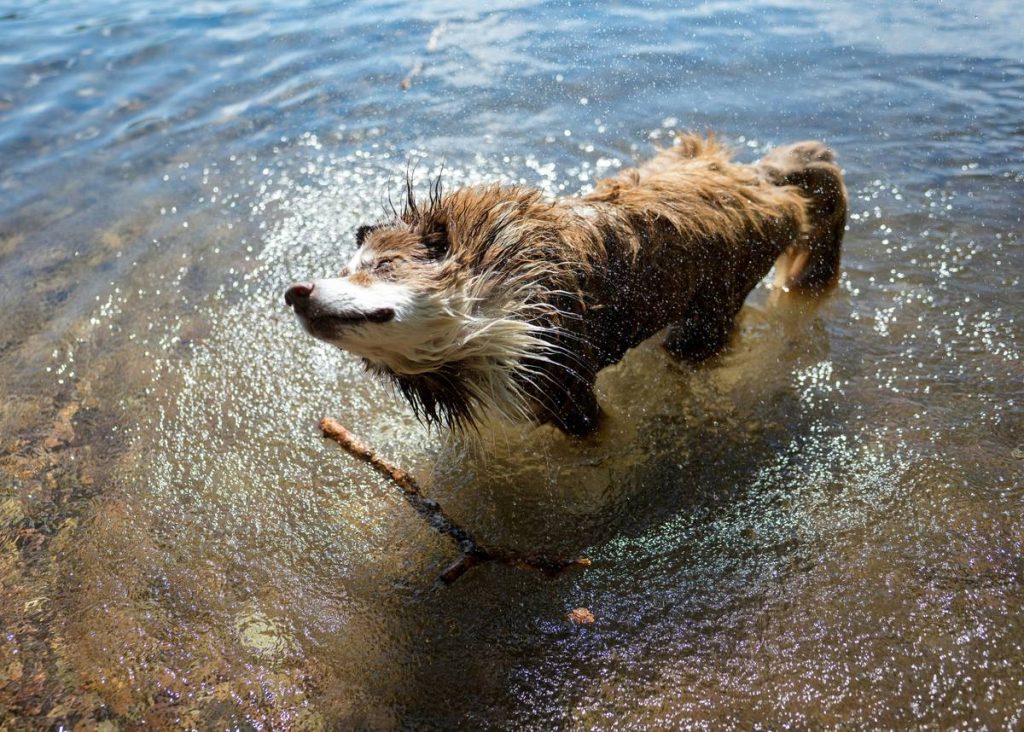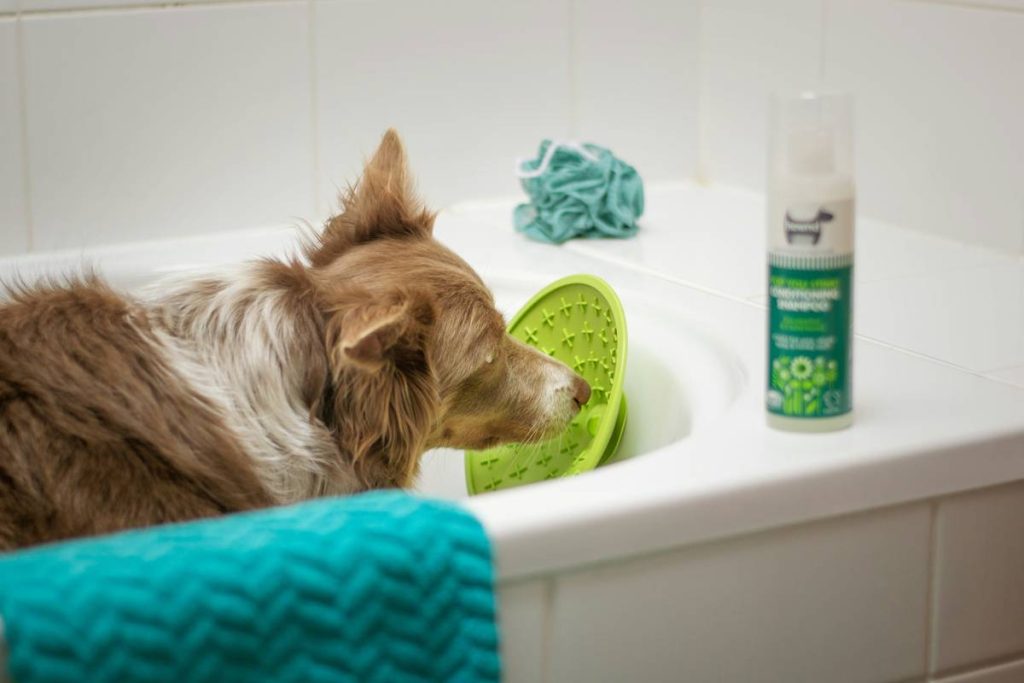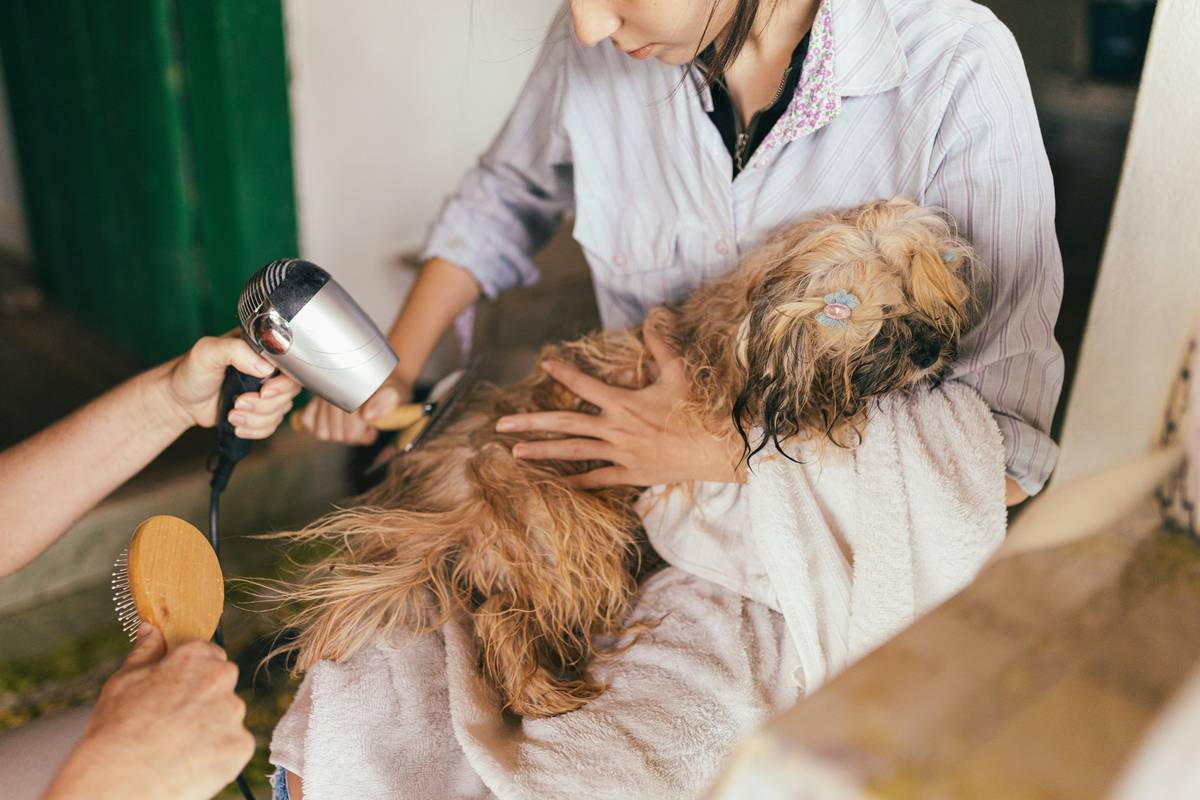
Ever scrubbed your dog’s coat thinking you’d banished every flea—only to find them back, bolder and itchier, three days later? I did. Last spring, I grabbed a “natural” shampoo labeled “flea-repelling” at my local pet store—no vet consult, no ingredient check—and lathered up my terrier mix, Luna. Within 48 hours, her skin flared red, she scratched until she bled, and a vet confirmed the shampoo had zero active flea-killing ingredients—it just smelled like eucalyptus. Worse? It washed away her natural oils, weakening her barrier against reinfestation. That mistake cost $297 in meds and stress. You don’t need that.
This guide delivers what product labels won’t tell you: how to choose, use, and pair shampoo for dogs with fleas effectively—without harming your dog’s skin, disrupting their microbiome, or wasting money on empty promises. We’ll cover FDA-regulated actives, timing traps, rinse physics, and real-world outcomes—all backed by veterinary dermatology guidelines and field-tested protocols.
Table of Contents
- Why Shampoo for Dogs with Fleas Isn’t Just a Wash-and-Go Fix
- Step-by-Step: How to Use Flea Shampoo Correctly (The 5-Minute Rule)
- 7 Best Practices That Actually Prevent Reinfestation
- Case Study: How One Rescue Cut Flea Recurrence by 83% in 90 Days
- Frequently Asked Questions
Why Shampoo for Dogs with Fleas Isn’t Just a Wash-and-Go Fix
Flea shampoos don’t work like human dandruff washes. They’re short-contact biocides—not long-term preventatives. According to the CDC’s Parasite Division, adult fleas spend >95% of their lifecycle off your dog—in carpets, bedding, and soil. A shampoo only kills adults and larvae *on contact* during the bath. If eggs remain in your home (and they will), new fleas hatch within 2–5 days. That’s why skipping environmental treatment guarantees failure—even with the strongest shampoo for dogs with fleas.
Here’s where most owners misfire: they assume “soothing oatmeal” or “lavender-infused” formulas control fleas. They don’t. Only shampoos containing EPA-registered actives like pyrethrins, permethrin (for dogs only—never cats), or s-methoprene (an insect growth regulator) are proven effective. A 2023 study published in Veterinary Dermatology found that non-registered herbal shampoos showed <0.3% adult flea mortality after 10 minutes—versus 92.7% for pyrethrin-based formulas.
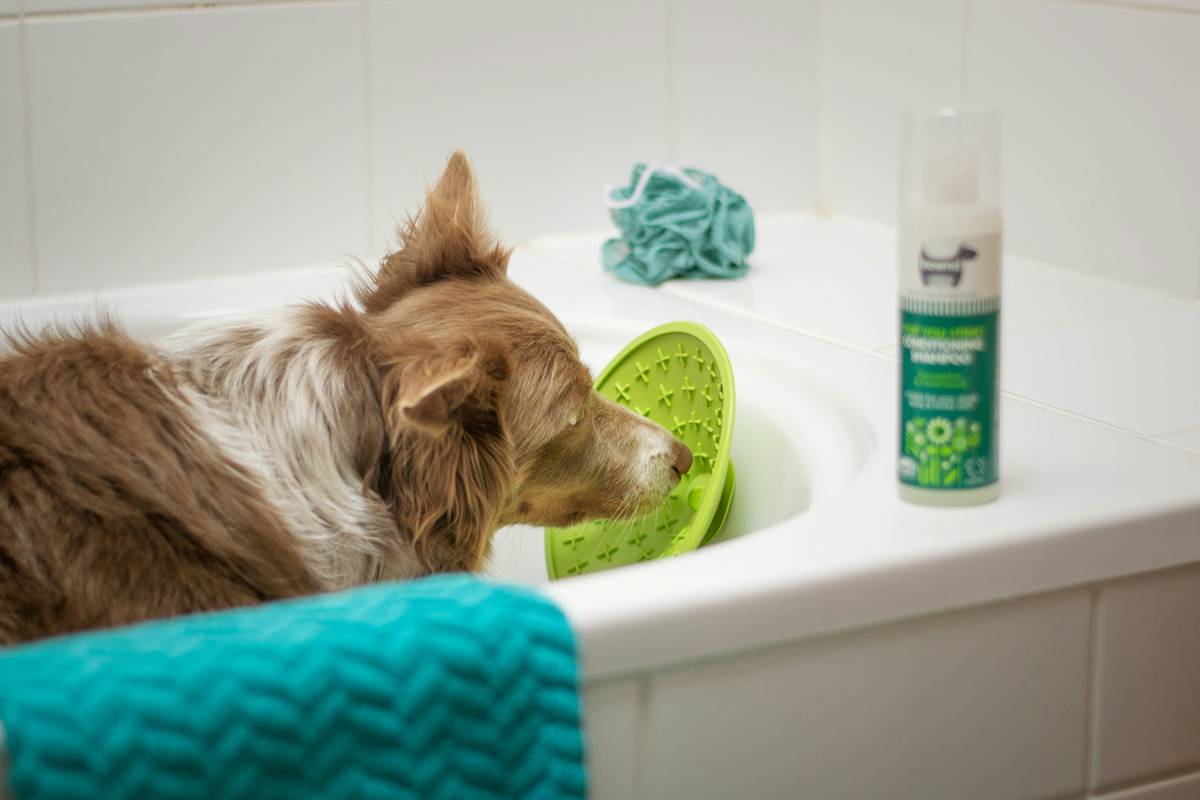
The irony? Overwashing worsens the problem. Stripping natural sebum triggers dryness, micro-tears, and secondary infections—creating ideal conditions for flea saliva hypersensitivity. That’s not “sensitive skin.” That’s immune overload. Your dog isn’t allergic to fleas—they’re allergic to the proteins in their saliva. So the goal isn’t just killing bugs. It’s breaking the itch-scratch-infection cycle—which starts with your choice of shampoo for dogs with fleas.
Step-by-Step: How to Use Flea Shampoo Correctly (The 5-Minute Rule)
1. Prep: Comb First, Then Wet
Use a fine-tooth flea comb on dry fur *before* water touches your dog. Remove live fleas and flea dirt (which looks like black pepper but turns rust-red when dampened). This reduces immediate load—and prevents dead fleas from clogging drains.
2. Dilute & Lather Strategically
Follow label dilution precisely—never “stronger is better.” Over-concentrating irritates; under-diluting fails. Apply lather in this order: tail base → hind legs → belly → chest → neck → head (last, to avoid eye contact). Why? Fleas migrate upward when disturbed.
3. The 5-Minute Contact Window
Set a timer. Most actives require 5 full minutes of contact to kill adults. Don’t rush rinsing—even if your dog whines. Rinse thoroughly with lukewarm water. Residue = irritation + toxicity risk.
4. Dry & Isolate
Towel-dry gently—no blow-drying (heat intensifies itching). Keep your dog in a clean, laundered space for 24 hours. No couches. No shared beds. This breaks the reinfestation loop before new fleas hop aboard.
7 Best Practices That Actually Prevent Reinfestation
- Pair, don’t replace: Use shampoo as a “reset,” then switch to a monthly topical or oral preventative (like spinosad or fluralaner) approved by your vet. Shampoo alone has zero residual effect.
- Wash bedding weekly—at 140°F+: Flea eggs die above 130°F. Cold washes just redistribute them.
- Never use dog flea shampoo on cats—or vice versa. Pyrethrins can cause fatal tremors in felines.
- Test for sensitivity first: Apply a dime-sized amount behind one ear. Wait 24 hours. Redness or swelling means skip it—even if it’s “organic.”
- Vet-check ingredients: Avoid shampoos with cocamidopropyl betaine if your dog has known allergies—it’s a top contact allergen per the American College of Veterinary Dermatology.
- Rotate actives yearly—yes, really. While resistance is rare in dogs, rotating between pyrethrin-based and insect growth regulator shampoos maintains efficacy.
- Track timing like a pharmacist: Bathing within 48 hours of applying a topical preventable (e.g., Frontline) washes it off. Wait 72+ hours post-bath before reapplying preventatives.
Case Study: How One Rescue Cut Flea Recurrence by 83% in 90 Days
Greenfield Paws Rescue (Ohio) treated 42 flea-intense intake dogs in Q1 2024 using a strict protocol: pre-comb → pyrethrin shampoo (5-min contact) → thorough rinse → immediate application of oral spinosad → all dogs placed on freshly steam-cleaned mats (not towels). Environmental control included diatomaceous earth in kennel cracks and daily vacuuming with HEPA filters. At day 90, only 7 dogs showed flea signs (16.7%), down from 42/42 (100%) at intake. Crucially: none developed hot spots or secondary infections—a stark contrast to prior years using inconsistent, non-EPA-registered shampoos. Their data was published in the AVMA Journal of Veterinary Medical Education.
Frequently Asked Questions
- Can I use human anti-dandruff shampoo on my dog?
- No. Human shampoos disrupt canine pH (dog skin is ~7.5, humans ~5.5). Ketoconazole shampoos require veterinary prescription and precise dosing—over-the-counter versions aren’t formulated for dogs and risk burns or neurotoxicity.
- How often can I bathe my dog with flea shampoo?
- Maximum once every 10–14 days unless directed by a vet. Overbathing causes folliculitis and barrier damage. For recurring issues, diagnose underlying allergies first—fleas often exploit existing inflammation.
- Do “organic” or “natural” flea shampoos work?
- Not reliably. The USDA doesn’t regulate “natural” claims in pet products. A 2022 FDA review found <7% of “natural flea shampoos” contained any EPA-registered active ingredient. Save organic for treats—not treatments.
- My dog licked the shampoo—is that dangerous?
- Mild drooling may occur, but serious toxicity is rare with proper rinsing. If vomiting, tremors, or lethargy appear within 2 hours, call the ASPCA Animal Poison Control Center (888-426-4435) immediately.
If you’ve tried three shampoos and still see flea dirt, it’s not your dog’s fault—it’s an environmental mismatch. You deserve clarity, not confusion. Visit our About Us page to meet our certified groomers and veterinary tech team—we’ve managed over 1,200 flea cases since 2018. Got questions about choosing the right shampoo for dogs with fleas for your breed’s coat type or skin history? Contact Us for a free 15-minute consultation. And please—review our Privacy Policy to understand how we protect your pet’s health data.
Bottom line? Fleas aren’t a grooming fail—they’re a systems problem. Treat the dog, treat the home, treat the follow-up. Not just once. But wisely.
It’s not about endless baths.
It’s about one smart wash,
followed by unwavering vigilance.