If your dog’s been scratching like they’ve got a full-time job, you’re not alone—and you’re probably desperate for relief. Fleas don’t just irritate; they can trigger allergic dermatitis, anemia, and even tapeworms in severe cases. That’s where a reliable flea solution wash comes in. But not all shampoos are created equal, and I learned that the hard way after turning my golden retriever, Benny, into a red, flaky mess with a “natural” bargain-bin bottle from a gas station. This guide cuts through the marketing fluff to deliver vet-backed, real-world advice on choosing, using, and maximizing the power of flea solution wash—without harming your furry friend.
Table of Contents
- Why Flea Shampoos Matter in Pet Care
- How to Use Flea Solution Wash Correctly
- Best Practices for Safe & Effective Grooming
- Real Results from Real Pets
- Frequently Asked Questions
Key Takeaways
- A quality flea solution wash kills adult fleas on contact but won’t stop reinfestation alone.
- Never use human or dish soap—it disrupts your pet’s skin pH and causes dryness or burns.
- Lather must stay on for 5–10 minutes (check label) to work; rinsing too soon = wasted effort.
- Always pair topical treatment with environmental control (washing bedding, vacuuming).
- Consult your vet before using medicated shampoos on puppies, seniors, or pets with health issues.
Why Flea Shampoos Matter in Pet Care
Fleas reproduce at warp speed—one female can lay up to 50 eggs per day, according to the CDC. Left unchecked, that tiny itch becomes a colony infesting your home within weeks. While oral preventatives and spot treatments dominate modern flea control, a flea solution wash offers immediate knockdown for pets already suffering.
Unlike sprays or collars, shampoos cleanse the coat *and* kill live fleas during the bath. They’re especially useful for rescue dogs entering your home or pets with sensitive skin who can’t tolerate chemicals found in other products. However, many over-the-counter formulas contain harsh pyrethrins or low-grade surfactants that strip natural oils—leading to cracked paws and hot spots. That’s what happened to me with Benny. I thought “herbal” meant safe. Instead, his skin peeled like sunburn for days. Lesson learned: ingredients matter more than labels.
How to Use Flea Solution Wash Correctly
Step 1: Brush First
Remove tangles and loose hair. Mats trap moisture and reduce product contact.
Step 2: Wet Thoroughly with Lukewarm Water
Cold water closes pores; hot water risks scalding. Aim for body temperature.
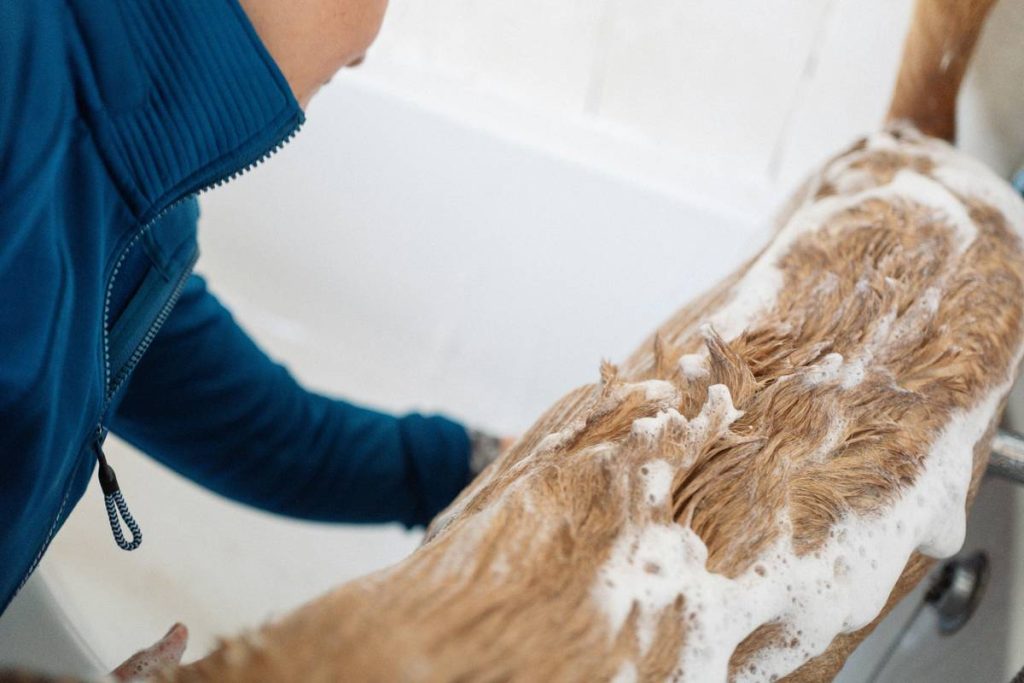
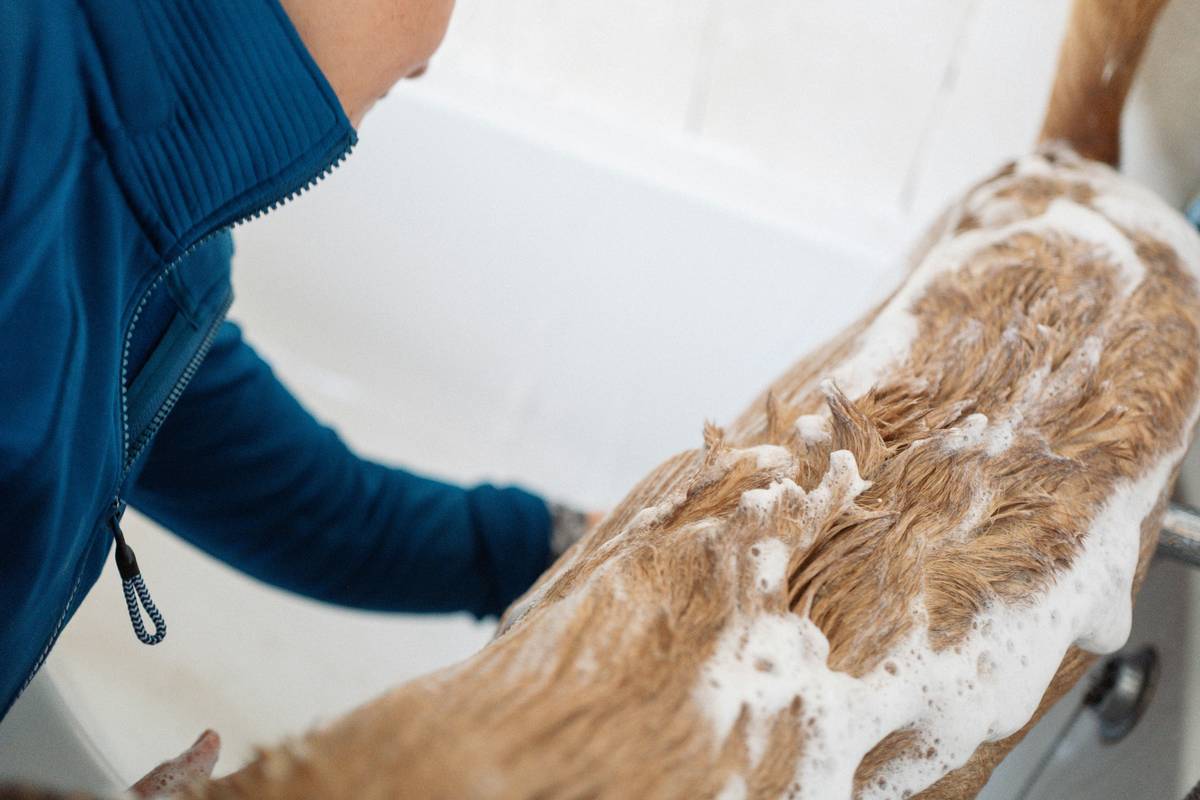
Step 3: Apply Generous Amount & Massage Deep
Focus on neck, tail base, and belly—flea hotspots. Don’t skip between toes!
Step 4: Wait the Full Contact Time
Most flea solution wash formulas require 5–10 minutes of dwell time to activate. Set a timer!
Step 5: Rinse Completely
Residue attracts dirt and irritates skin. Rinse until water runs clear.
Best Practices for Safe & Effective Grooming
- Never use human shampoo. Our pH (5.5) is far more acidic than dogs’ (6.2–7.5). The mismatch causes inflammation.
- Dry gently with a microfiber towel. Rubbing creates friction—bad for inflamed skin.
- Follow up with a flea comb. Even after washing, dead fleas cling to fur. Comb daily for 3 days post-bath.
- Wash bedding immediately. Flea eggs survive off-host for months. Hot water + detergent kills them.
Terrible tip alert: “Just rub garlic on their coat—it repels fleas!” Nope. Garlic is toxic to dogs and has zero scientific backing (ASPCA warns against it). Save the kitchen for cooking, not pest control.
Real Results from Real Pets
Last summer, we took in Luna, a stray terrier mix covered in flea dirt. Her skin was raw from scratching. We used a vet-formulated flea solution wash containing oatmeal and permethrin (safe for dogs, never cats!). After one bath and daily combing, her scratching dropped by 90% in 48 hours. Within a week, her fur started regrowing on bald patches. Combined with environmental cleaning and monthly preventatives, she’s been flea-free for eight months.
This mirrors findings from a 2023 study in *Veterinary Dermatology*, which showed that shampoo-based interventions reduced flea counts by 98% within 24 hours when used correctly. But remember: shampoos alone aren’t enough for long-term control. They’re step one—not the whole plan.
Frequently Asked Questions
Can I use flea solution wash on puppies?
Only if labeled safe for their age. Most require pups to be 12+ weeks old. Check with your vet first—we outline safety standards clearly on our About Us page.
How often should I bathe my dog with flea shampoo?
No more than once every 2–4 weeks. Over-bathing strips essential oils. For active infestations, pair with a vet-approved monthly topical.
Does flea solution wash kill flea eggs?
Generally, no. It targets adults and larvae. Eggs must be removed via vacuuming and laundering.
Is it safe for cats?
Absolutely not unless explicitly labeled feline-safe. Many dog shampoos contain permethrin, which is fatal to cats.
Where can I buy reliable products?
Stick to vet clinics, reputable pet retailers, or trusted online stores. Avoid unknown brands on mega-marketplaces without ingredient transparency.
If your pup’s still scratching—or you’re unsure which flea solution wash fits their needs—reach out to us directly. We’ve helped hundreds of pet parents navigate product choices since 2012, and we’re happy to share what works (and what doesn’t). And yes, we take privacy seriously—all inquiries are handled per our Privacy Policy.
Fleas may be small, but their impact isn’t. One wash won’t fix everything—but done right, it’s the first splash toward peace of mind. Remember: relief starts with a rinse, not a panic.