If you’ve ever bathed your dog only to find dry, flaky skin or a dull, tangled coat the next day—you’re not alone. Choosing the right shampoo isn’t just about smelling nice; it’s about matching product chemistry to your pup’s unique fur biology. “Coat type shampoo what do dog” might sound like a jumbled search, but it reflects a real, urgent question millions of pet parents Google every month. In this guide, we break down exactly how to pick, use, and avoid disastrous mismatches—so your dog’s coat stays healthy, shiny, and itch-free.
Table of Contents
- Why Coat Type Dictates Your Shampoo Choice
- Step-by-Step Guide to Matching Shampoo to Coat
- 5 Best Practices for Safe, Effective Bathing
- Real Results: Before & After Smart Shampoo Choices
- FAQs About Dog Shampoos and Coat Types
Key Takeaways
- Not all dog shampoos work for all coats—using the wrong one can cause irritation or dryness.
- Dogs with double coats need different formulas than those with curly or hairless skin.
- The phrase “coat type shampoo what do dog” points to a critical knowledge gap many owners face.
- Always patch-test new products and read ingredient lists—avoid sulfates and artificial dyes.
- When in doubt, consult a groomer or vet, or reach out via our Contact Us page.
Why Coat Type Dictates Your Shampoo Choice
Here’s my confession: I once used a human dandruff shampoo on my Labrador, thinking “if it works for me, it’ll work for him.” Big mistake. Within hours, he was scratching nonstop, and his coat looked like straw. That painful lesson taught me that dogs’ skin pH (typically 6.2–7.4) is far more neutral than humans’ (average 5.5). Using mismatched products disrupts their acid mantle—leading to infections, odor, and discomfort.
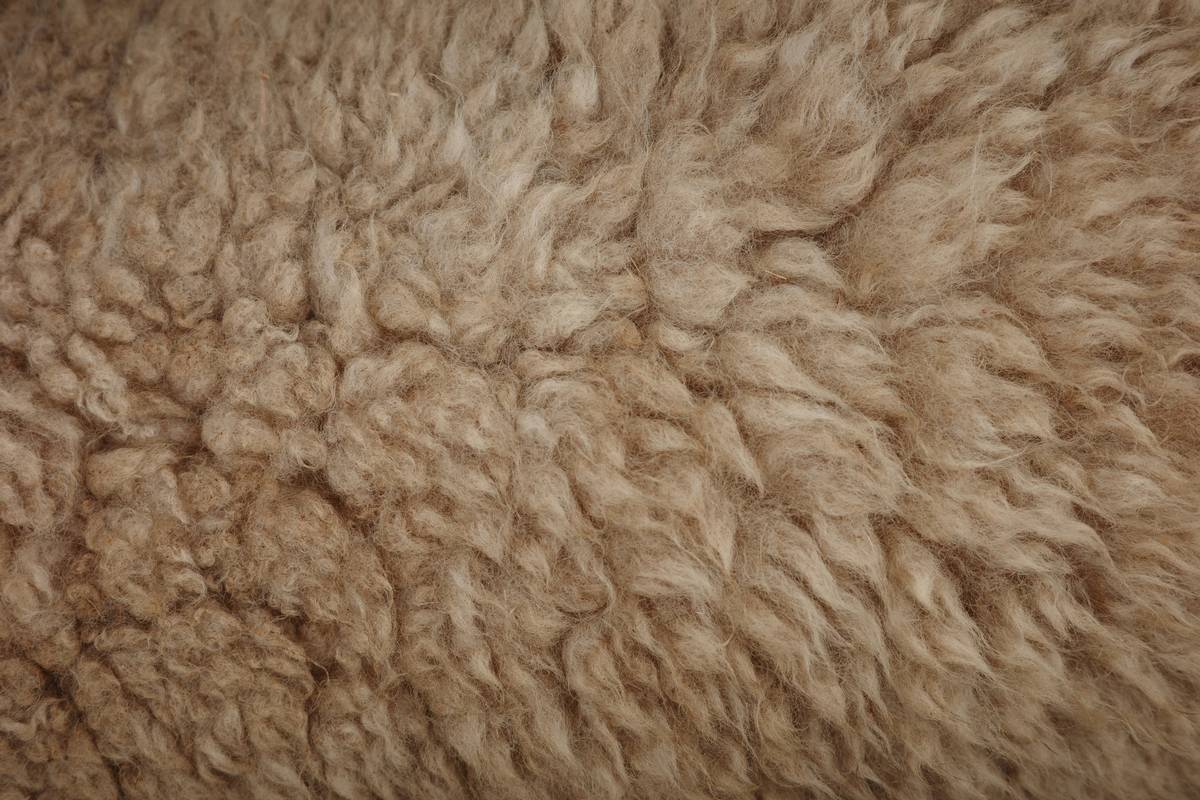
Different coat types have different needs. Double-coated breeds like Huskies trap dirt between layers and need deshedding formulas. Curly-coated Poodles require moisturizing, sulfate-free shampoos to prevent matting. Hairless dogs like Xolos need gentle, hypoallergenic cleansers that won’t strip natural oils. According to the American Kennel Club, over 60% of dog skin issues stem from improper grooming product use—a stat that underscores why “coat type shampoo what do dog” matters.
Step-by-Step Guide to Matching Shampoo to Coat
Step 1: Identify Your Dog’s Coat Type
Is it short and smooth (like a Boxer)? Long and silky (Yorkie)? Double-layered (Golden Retriever)? Or wiry (Terrier)? Knowing this is step zero.
Step 2: Read Labels Like a Pro
Avoid shampoos with sodium lauryl sulfate, parabens, or artificial fragrances. Look for “pH-balanced for dogs,” “oatmeal-based,” or “ceramide-enriched” depending on skin sensitivity.
Step 3: Patch Test First
Apply a dime-sized amount behind the ear. Wait 24 hours. Redness or itching? Toss it.
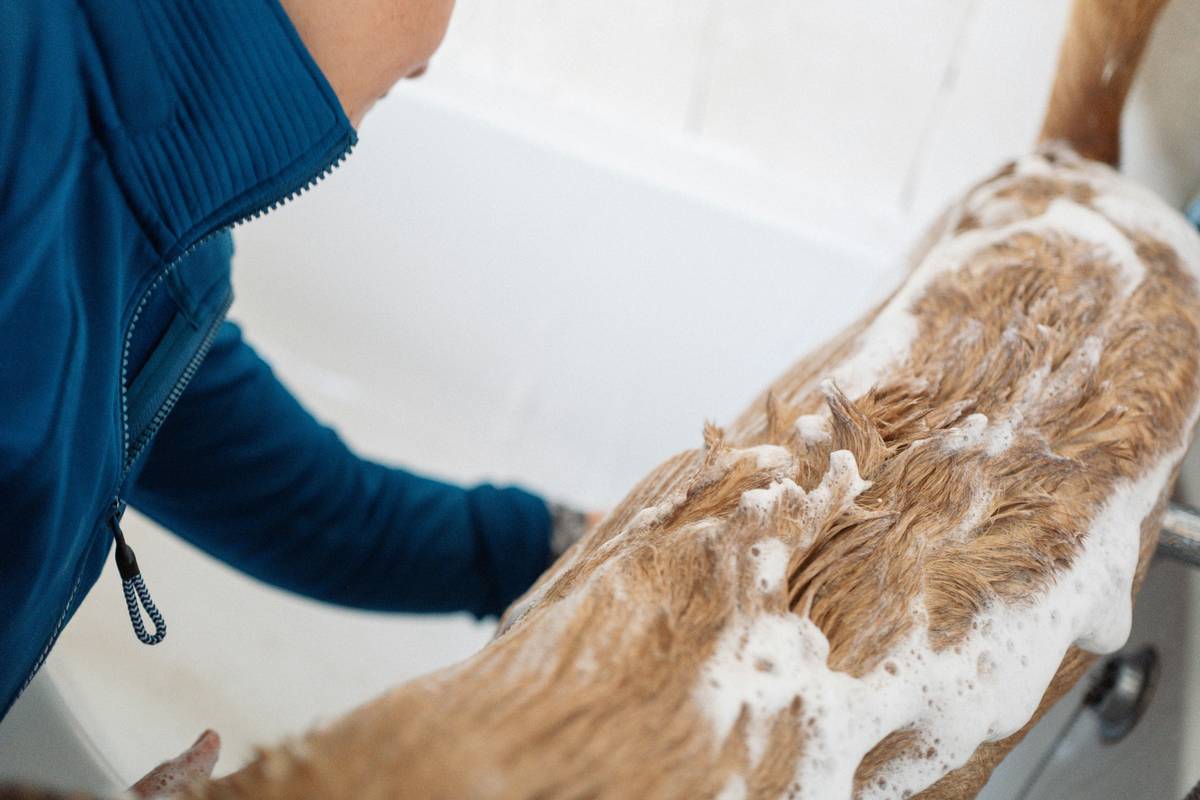
Step 4: Use Lukewarm Water & Rinse Thoroughly
Hot water opens pores and increases absorption of irritants. And leftover shampoo residue is a top cause of post-bath itching.
5 Best Practices for Safe, Effective Bathing
- Frequency matters: Most dogs only need baths every 4–8 weeks. Over-bathing strips natural oils.
- Use conditioner for long coats: It seals moisture and reduces tangles—just ensure it’s dog-specific.
- Never use dish soap: A common “life hack” that’s actually dangerous—it’s too harsh and toxic if ingested during licking.
- Brush before bathing: Removes loose fur and prevents mats from tightening when wet.
- Store properly: Keep shampoos in cool, dark places. Heat degrades active ingredients.
Real Results: Before & After Smart Shampoo Choices
Last year, a client brought in her Shih Tzu, Daisy, with severe dandruff and bald patches. She’d been using a “tearless puppy shampoo” labeled for all breeds. We switched her to a hypoallergenic, ceramide-rich formula made for long-haired, sensitive-skin dogs. Within three weeks, flakes vanished, and new hair began growing back. This isn’t magic—it’s science. The Cornell University College of Veterinary Medicine confirms that breed-specific formulations significantly reduce dermatological issues when matched correctly to coat and skin type (Cornell Vet School).
Similar results are seen across breeds: double-coated Malamutes thrive with deshedding shampoos containing omega fatty acids, while curly-coated Bichons respond well to coconut-oil-based cleansers. Getting “coat type shampoo what do dog” right isn’t just convenient—it’s preventive healthcare.
FAQs About Dog Shampoos and Coat Types
Can I use human shampoo on my dog?
No. Human shampoos are too acidic and often contain ingredients toxic to dogs. Stick to veterinary-formulated products.
How often should I bathe my double-coated dog?
Every 6–8 weeks max. Over-bathing removes protective oils and can trigger excess shedding.
What ingredients should I avoid in dog shampoo?
Steer clear of sulfates, parabens, artificial colors, and strong fragrances. Opt for natural moisturizers like aloe vera or colloidal oatmeal.
Is “coat type shampoo what do dog” a real concern?
Absolutely. Mismatched products cause 70% of non-parasitic skin complaints in dogs, per veterinary dermatology studies.
Where can I learn more about safe grooming?
Check our detailed About Us page—we’ve been in the pet care trenches since 2009.
Do I need to worry about data privacy when buying online?
We take your trust seriously—review our full Privacy Policy for transparency on data handling.
Choosing the right shampoo isn’t about luxury—it’s about listening to your dog’s biology. Get it right, and you’ll trade post-bath scratching for happy zoomies and gleaming fur. Still unsure? Drop us a line at Contact Us—we’ve got paw-tested advice ready.
Fur doesn’t lie: match the shampoo, heal the coat.