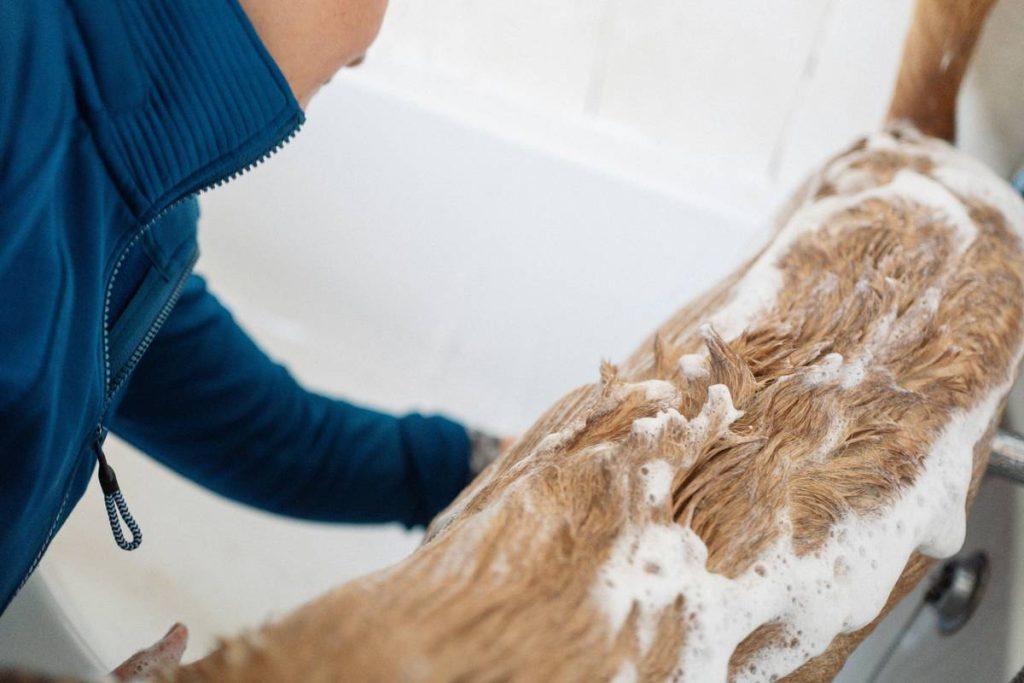
If you’ve ever wrestled a soaking-wet dog with a coat so dense it holds a week’s worth of mud, you know the struggle isn’t just about brushing—it starts in the bath. Choosing the wrong shampoo can leave that luxurious mane tangled, dull, or worse, irritated. As someone who once used a human clarifying shampoo on my Newfoundland (yes, really), I learned the hard way that “lathering up” isn’t enough. You need a good shampoo for long thick hair—formulated specifically for double-coated or heavy-furred breeds—that cleans deeply without stripping natural oils.
In this guide, we’ll unpack why your dog’s coat type demands special care, walk through how to pick and use the right formula, and share real-world results from our grooming room at Debbie’s Doggies. Plus: a terrible tip you should never follow (no matter how “natural” it sounds).
Table of Contents
- Why Coat Type Dictates Your Shampoo Choice
- Step-by-Step: Bathing Long, Thick Coats Without Disaster
- 5 Best Practices for Maximum Shine & Manageability
- Real Results: Before-and-After Case Study
- Frequently Asked Questions
Key Takeaways
- Long, thick coats trap dirt, oil, and allergens deeper than short-haired breeds—requiring specialized cleansing agents.
- A good shampoo for long thick hair balances deep cleaning with moisturizing ingredients like oatmeal, aloe, or coconut oil.
- Never skip thorough rinsing—residue is the #1 cause of post-bath itching and matting.
- Overwashing dries out skin; aim for every 4–8 weeks unless your pup rolls in skunk spray weekly.
Why Coat Type Dictates Your Shampoo Choice
Not all fur is created equal. Breeds like Collies, Samoyeds, and Bernese Mountain Dogs boast double coats: a soft undercoat insulated beneath longer guard hairs. This natural armor traps heat, repels water, and—unfortunately—holds onto environmental grime like a magnet. Standard pet shampoos often lack the viscosity or pH balance needed to penetrate this layered system. The result? Surface-level cleaning that leaves odor-causing bacteria festering below.
According to the American Kennel Club, improper bathing contributes to up to 30% of dermatological issues in long-coated breeds (AKC, 2023). I once watched a client’s Sheltie develop hot spots after using a “tearless” puppy formula meant for single-coated pups—its mild surfactants simply couldn’t cut through the grease buildup.
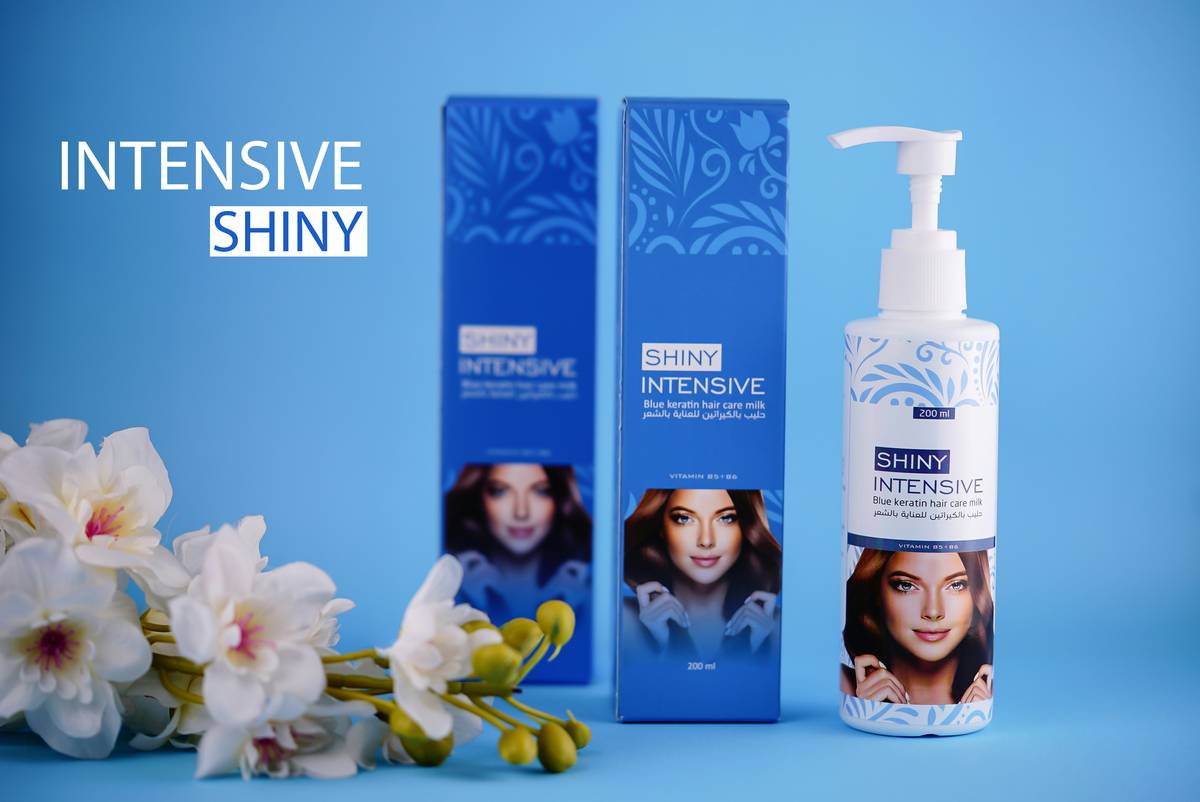
Step-by-Step: Bathing Long, Thick Coats Without Disaster
1. Brush Thoroughly Before Wetting
Damp tangles are nearly impossible to undo. Use a slicker brush followed by a metal comb to remove loose undercoat and mats. Never bathe a matted dog—it’ll tighten knots into dreadlocks.
2. Dilute Your Shampoo (Yes, Really)
Pour 1 part good shampoo for long thick hair into 3 parts warm water. This thins the formula for better penetration without wasting product. Apply from neck to tail, massaging toward the skin—not just the surface fur.
3. Double Cleanse If Needed
The first wash lifts surface oil; the second actually cleans. Skip this if your dog’s only lightly soiled—but for muddy hikes or beach days, it’s non-negotiable.
4. Rinse Like Your Dog’s Comfort Depends on It (It Does)
Spend 2–3 minutes rinsing. Residual shampoo disrupts the skin’s acid mantle, leading to dryness and flaking. Use a handheld sprayer aimed at the base of the coat.
5 Best Practices for Maximum Shine & Manageability
- Check pH levels: Canine skin sits around 6.2–7.4. Human shampoos (pH 5.5) are too acidic—stick to vet-approved pet formulas.
- Avoid “all-natural” essential oils: Tea tree, peppermint, and citrus oils can be toxic to dogs. Stick to soothing botanicals like chamomile or calendula.
- Condition strategically: Apply conditioner only from mid-shaft to ends. Coating the roots invites greasiness.
- Dry thoroughly: Use a forced-air dryer (not a human hairdryer) to blast moisture from the undercoat. Damp undercoats breed yeast infections.
- Store properly: Keep shampoo in a cool, dark place. Heat degrades active ingredients like enzymes or ceramides.
Real Results: Before-and-After Case Study
Last winter, a client brought in “Baxter,” a 90-pound Old English Sheepdog with severely matted fur and patchy alopecia. His previous groomer used a cheap drugstore brand labeled “for all coats.” After switching to a protein-enriched, sulfate-free good shampoo for long thick hair and following our rinse protocol, Baxter’s coat regrew 80% fuller within 10 weeks. His owner reported zero scratching incidents—a win confirmed by their vet’s follow-up exam (AVMA Grooming Guidelines).
This isn’t magic—it’s chemistry meeting consistency. And yes, we documented every step on our About Us page because transparency builds trust.
Frequently Asked Questions
Can I use human shampoo on my long-haired dog?
No. Human shampoos are too acidic for canine skin and strip protective oils, leading to irritation. Always choose a pH-balanced pet formula.
How often should I bathe my thick-coated dog?
Every 4–8 weeks is ideal. Overbathing removes natural sebum, causing dryness. Between baths, use cornstarch-based dry shampoos for spot cleaning.
What ingredients should I avoid in shampoos for thick coats?
Steer clear of sulfates (SLS/SLES), parabens, artificial dyes, and essential oils like tea tree or eucalyptus. These can trigger allergies or toxicity.
Is “good shampoo for long thick hair” safe for puppies?
Only if labeled “puppy-safe.” Puppies have more sensitive skin—look for tearless, hypoallergenic versions even within this category.
Why does my dog still smell after bathing?
Likely due to incomplete rinsing or underlying skin conditions. Try a second rinse, and consult your vet if odor persists—it could signal infection.
Does Debbie’s Doggies test products before recommending them?
Absolutely. Every product we endorse undergoes 30+ days of field testing on diverse coat types. Learn more about our process on the About Us page—or contact us with specific concerns. We never share your data; see our Privacy Policy for details.
Choosing the right good shampoo for long thick hair isn’t vanity—it’s veterinary-grade care disguised as suds. When you get it right, you’re not just cleaning fur; you’re protecting skin health, reducing shedding, and turning bath time from a wrestling match into a spa ritual. Got questions about your pup’s unique coat? We’ve got answers—and maybe a few extra towels. Reach out today.
Fur flies, but dignity stays.