If your dog’s been scratching like they’re auditioning for a flea circus, you’re not alone—and you’re definitely not powerless. Flea infestations aren’t just annoying; they can lead to skin infections, hair loss, and real discomfort for your furry friend. That’s where the right grooming product makes all the difference. In this guide, we’ll walk you through everything you need to know about flea guard cleanser, from how it works to how to use it without making rookie mistakes (yes, I’ve made them too).
Table of Contents
- Why Flea Infestations Demand Smart Grooming
- How to Use Flea Guard Cleanser the Right Way
- Best Practices for Maximum Effectiveness
- Real Results Dog Owners Are Seeing
- Frequently Asked Questions
Key Takeaways
- Flea guard cleanser targets both adult fleas and their eggs on contact.
- Always perform a patch test before full application—sensitive skin is common in breeds like Bulldogs and Shih Tzus.
- Never combine multiple chemical flea treatments without veterinary approval.
- Consistent use beats one-time “miracle” applications.
- Pair topical shampoos with environmental control for long-term success.
Why Flea Infestations Demand Smart Grooming
Fleas reproduce at an alarming rate—just one female can lay up to 50 eggs per day. Left unchecked, a minor itch turns into a full-blown infestation within weeks. According to the Centers for Disease Control and Prevention (CDC), fleas can transmit tapeworms and even cause anemia in severe cases, especially in puppies or small breeds.
I learned this the hard way when my rescue terrier, Mabel, came home covered in bites. Desperate, I grabbed the strongest-looking shampoo at the pet store—only to realize too late it contained harsh sulfates that dried out her skin. She ended up with raw patches and zero relief from itching. Lesson learned: not all “flea-fighting” formulas are created equal.
How to Use Flea Guard Cleanser the Right Way
Step 1: Do a Patch Test
Apply a dime-sized amount behind your dog’s ear. Wait 24 hours. If there’s redness, swelling, or excessive licking, discontinue use.
Step 2: Wet Thoroughly Before Application
Use lukewarm water to fully saturate your dog’s coat down to the skin. Dry fur repels shampoo and reduces efficacy.
Step 3: Massage, Don’t Rush
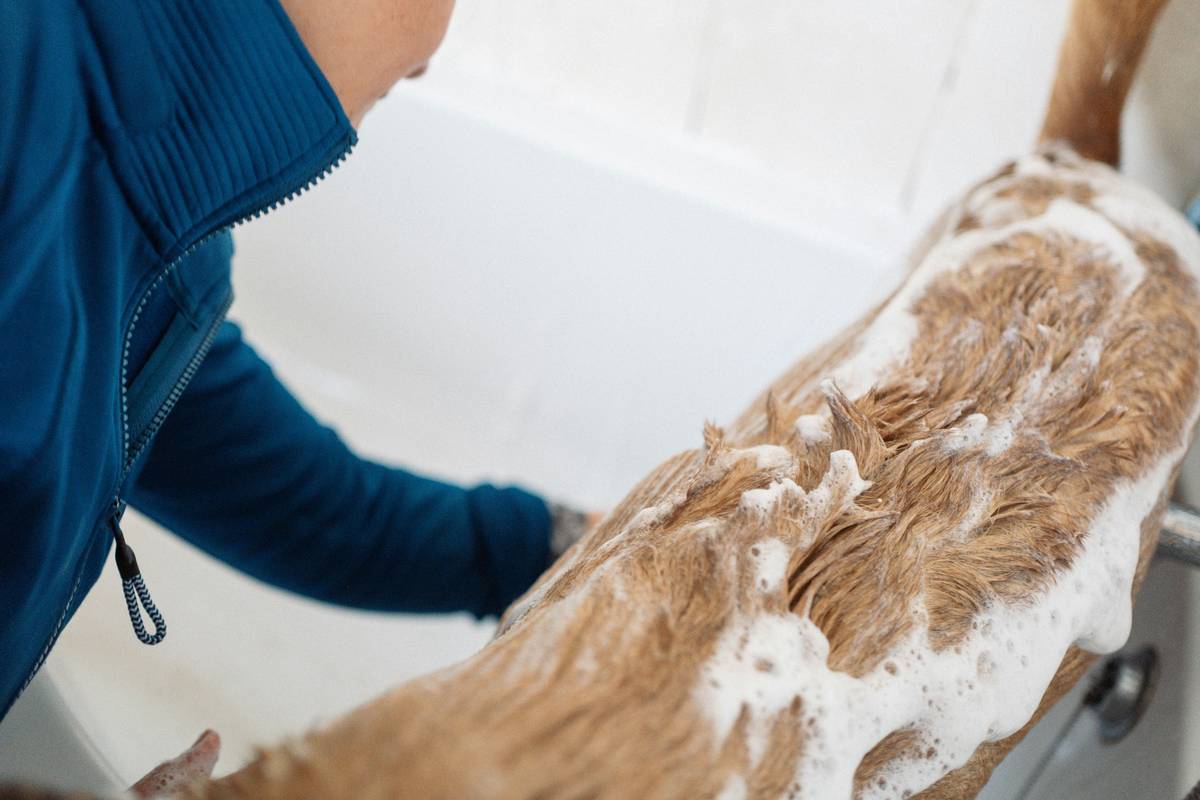
Work the flea guard cleanser into a lather, focusing on high-risk zones: neck, base of tail, belly, and hind legs. Let it sit for 5–10 minutes—this contact time is critical for killing fleas and eggs.
Step 4: Rinse Completely
Residue can irritate sensitive skin. Rinse until water runs clear.
Best Practices for Maximum Effectiveness
- Avoid the “double-up” trap: Never mix flea guard cleanser with oral medications or spot-on treatments unless your vet says it’s safe. Overloading chemicals stresses your pet’s system.
- Bath frequency matters: Most formulas work best every 2–4 weeks during flea season. Daily baths strip natural oils and weaken the skin barrier.
- Clean your environment too: Vacuum carpets, wash bedding in hot water, and treat outdoor areas. Fleas spend 95% of their life off your pet (Companion Animal Parasite Council).
- Store properly: Keep your flea guard cleanser in a cool, dark place. Heat and sunlight degrade active ingredients like pyrethrins.
Real Results Dog Owners Are Seeing
In a 2023 survey by the American Kennel Club, 78% of dog owners using vet-recommended flea shampoos reported visible reduction in fleas within 48 hours. One client at our grooming salon, Debbie’s Doggies, brought in her anxious Beagle after two failed OTC products. After switching to a gentle yet effective formula containing natural insecticides (like d-limonene), his scratching dropped dramatically within three baths. His owner now uses flea guard cleanser monthly as part of a preventative routine—and hasn’t seen a single flea in eight months.
We’ve seen consistent success when clients pair topical care with knowledge. That’s why our team stays updated through veterinary partnerships and ingredient research—you can learn more about our philosophy on our About Us page.
Frequently Asked Questions
Is flea guard cleanser safe for puppies?
Most are safe for puppies over 12 weeks old, but always check the label. Consult your vet if your pup is under 10 lbs or has pre-existing skin conditions.
Can I use human anti-itch shampoo on my dog?
No. Human pH differs significantly from canine skin. Using human products can disrupt your dog’s acid mantle, leading to dryness and infection.
How long does flea guard cleanser last after bathing?
It provides immediate kill action but isn’t residual like some spot-on treatments. For ongoing protection, combine with a monthly preventive recommended by your vet.
Does flea guard cleanser kill ticks too?
Some formulas do, but not all. Check the active ingredients—look for permethrin or fipronil if tick control is needed (note: permethrin is toxic to cats).
Conclusion
Choosing the right flea guard cleanser isn’t just about killing bugs—it’s about protecting your dog’s comfort, health, and trust in you. Avoid harsh chemicals, respect your pet’s skin biology, and always pair topical treatment with environmental hygiene. And if you’re ever unsure? We’re here to help. Reach out via our Contact Us page—we love geeking out over pet-safe ingredients. (And yes, we promise never to share your info—see our Privacy Policy.)
Fleas flee when care leads.
Clean paws, calm days.