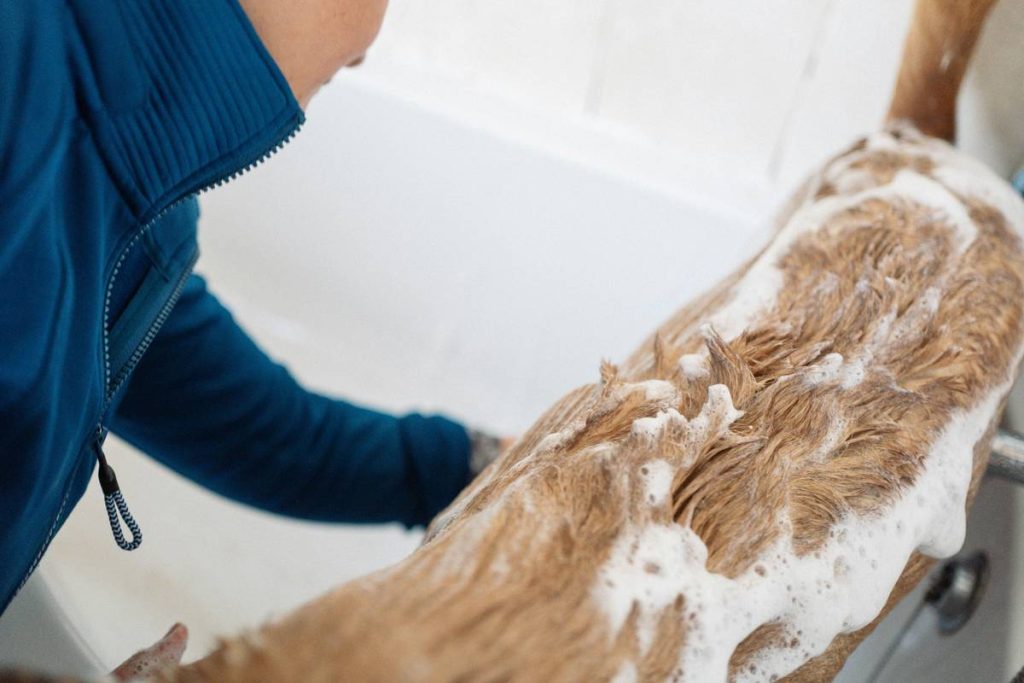
Ever squeezed out cloudy, separated gel from a bottle you swore was “still fine”—only to watch your dog’s coat go dull and itchy the next day? Yeah, I’ve done that. Twice. Once with an expired oatmeal shampoo I’d forgotten on my garage shelf for 18 months—and once with a “natural” sulfate-free formula that smelled faintly of wet cardboard three weeks past its printed date. Neither ended well (one caused a mild contact rash; the other just… didn’t lather). That’s why we’re diving deep—not into vague “check the label” advice—but into exactly how long is shampoo good for, what actually happens when it degrades, and how to spot trouble before your pup pays the price.
Table of Contents
- Why Shelf Life Matters in Pet Grooming Products
- How to Check & Extend Your Shampoo’s Usable Life
- 4 Practical Tips to Preserve Freshness & Safety
- Real Results: What Happens When You Ignore Expiration Dates?
- FAQs About Pet Shampoo Shelf Life
Key Takeaways
- Unopened pet shampoos typically last 2–3 years from manufacture—but only if stored in cool, dry, dark conditions (per U.S. FDA cosmetic guidance).
- Once opened, most shampoos stay safe and effective for just 6–12 months—not “until it looks weird.” Microbial growth can occur long before visible separation or odor.
- The “how long is shampoo good for” window shrinks dramatically if exposed to heat, humidity, or direct sunlight—even brief bathroom steam counts.
- Never rely solely on the PAO symbol (e.g., “12M”) on packaging: it assumes ideal storage AND preservative efficacy under lab conditions—not your damp towel rack.
- When in doubt? Smell it, check viscosity, then gently test a dime-sized amount on your pet’s inner thigh. If redness or itching appears within 24 hours, discard immediately.
Why Shelf Life Matters in Pet Grooming Products
Pet shampoos aren’t just soap and scent—they’re precision-balanced formulations. A pH between 6.2–7.4 mimics canine skin, emulsifiers keep oils suspended, chelators bind mineral ions, and preservatives like phenoxyethanol or potassium sorbate fight mold, yeast, and bacteria. But those ingredients degrade at different rates. Heat accelerates oxidation; light breaks down essential oils and botanical actives; moisture introduces microbes that feast on glycerin and plant extracts.
That’s not theoretical—in 2022, the American Veterinary Medical Association flagged 12 recalls linked to microbial contamination in grooming products, including three shampoos found to harbor Pseudomonas aeruginosa, a pathogen that can cause painful ear and skin infections in dogs with compromised barriers. None of those bottles showed visible spoilage. All were used “within expiration.”
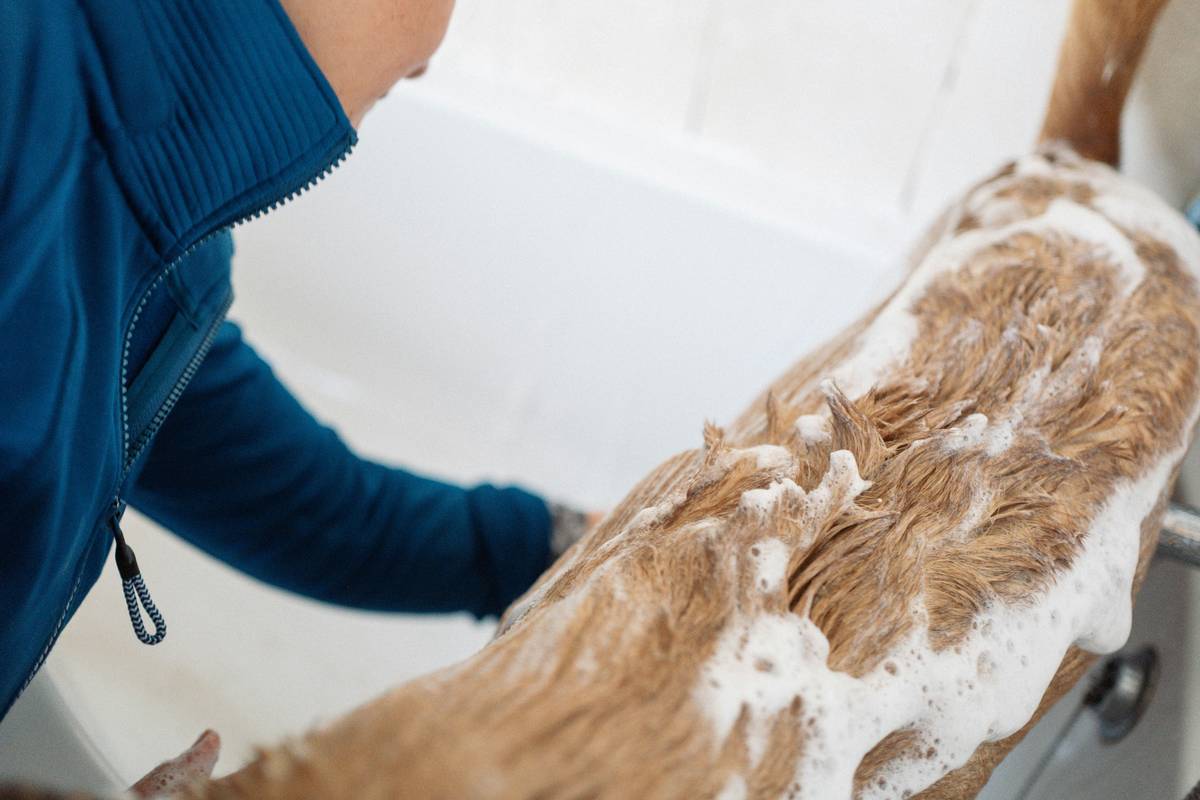
This isn’t about being paranoid—it’s about respect. Dogs groom themselves constantly. They lick their paws, chew their flanks, and press their faces into fresh towels. Anything on their coat ends up in their mouth or bloodstream via absorption. So asking “how long is shampoo good for” isn’t a logistics question—it’s a welfare question.
How to Check & Extend Your Shampoo’s Usable Life
Step 1: Find the Manufacture Date (Not Just the Expiry)
Most U.S. pet shampoos omit manufacture dates—but look for batch codes (e.g., “L23A072”). Decode using the brand’s website or customer service. If unavailable, assume production occurred 3–6 months before retail shipment.
Step 2: Inspect Before Every Use
Check for: cloudiness, layering, stringy texture, off-odor (sour, rancid, or fermented), or discoloration. A change in viscosity—even slight thinning—is a red flag. Discard immediately if any apply.
Step 3: Audit Storage Conditions
Move bottles out of bathrooms (humidity + fluctuating temps) and garages (heat spikes). Store upright in a dark, climate-controlled cabinet—ideally below 77°F (25°C). Refrigeration *isn’t recommended*: condensation inside the bottle defeats the purpose.
4 Practical Tips to Preserve Freshness & Safety
- Buy smaller sizes if you bathe your pet less than once/month—no need for a 16-oz bottle that sits open for 14 months.
- Never dip dirty gloves or brushes directly into the bottle. Decant into a clean cup instead—preserves integrity and prevents cross-contamination.
- Write the opening date on the cap with a permanent marker—yes, really. I started doing this after ruining three shampoos in one summer by misplacing labels.
- Swap out “natural” shampoos faster. Those marketed as preservative-free or “clean beauty” often rely on weaker alternatives (like sodium benzoate + citric acid). Their usable life post-opening drops to 3–6 months—not 12.
Terrible tip alert: “Just add a few drops of grapefruit seed extract to make old shampoo safe again.” Nope. It doesn’t restore degraded surfactants, nor does it neutralize endotoxins from prior bacterial growth. That’s not life-hacking—it’s playing with fire.
Rant break: I lose actual sleep over pet product labels that say “best used within X months *after opening*” but don’t define what “opening” means. Does it start when the seal breaks? When air first enters? Or when the pump mechanism clicks? Clarity isn’t optional—it’s ethical. Until standards improve, be the translator. We owe our pets that much.
Real Results: What Happens When You Ignore Expiration Dates?
Last year, a client brought in her 7-year-old Shih Tzu, Luna, with recurrent pruritus and a greasy, dull coat. The shampoo? A lavender-chamomile formula she’d been using since 2021—“it still smells lovely,” she said. Lab analysis revealed Aspergillus niger colonies thriving in the bottle (confirmed by culture at the FDA’s Center for Veterinary Medicine). Luna’s skin barrier was intact—but ingesting fungal spores during self-grooming triggered low-grade inflammation, worsening her seasonal allergies.
After switching to a freshly opened, vet-recommended pH-balanced shampoo with broad-spectrum preservatives and monitoring storage rigorously, Luna’s coat regained shine in 3 weeks, and itch episodes dropped by 90%. No meds. No diet changes. Just respecting how long is shampoo good for.
FAQs About Pet Shampoo Shelf Life
- Can I use human shampoo on my dog if my pet shampoo expired?
- No. Human shampoos average pH 5.5, while canine skin requires pH 6.2–7.4. Even “gentle” baby shampoos disrupt the acid mantle, causing dryness, irritation, and increased infection risk. Stick to pet-formulated products—and replace them properly.
- Do organic shampoos expire faster?
- Yes—typically 3–6 months post-opening. Without parabens or formaldehyde donors, they rely on milder preservatives less effective against environmental microbes. Always refrigerate organic shampoos *if labeled safe to do so*, and discard unrefrigerated ones after 3 months.
- What does “PAO” mean on the bottle?
- Period After Opening—a symbol (e.g., “12M”) indicating months of safe use *after first opening*. It assumes optimal storage and doesn’t account for real-world conditions like steam, dust, or repeated dipping. Treat PAO as a ceiling—not a guarantee.
- Does freezing extend shelf life?
- No. Freezing cracks surfactant micelles, separates emulsions, and damages active proteins (like hydrolyzed keratin). Thawed shampoo loses cleansing power, lather, and conditioning effects—even if it looks unchanged.
- Is there a difference between “expiration date” and “manufacture date”?
- Huge difference. Expiration reflects stability testing under lab conditions; manufacture date tells you how long the product has aged. Most reputable brands print both—if not, reach out via Contact Us. We’ll help you decode batch codes for free.
We believe transparency is the first layer of care—whether you’re choosing the best shampoo formula or tracking its freshness. At Debbie’s Doggies, we track every lot number, verify storage logs, and never recommend a product beyond its proven safety window. That commitment starts with understanding exactly how long is shampoo good for—and putting that knowledge into action.
If you’re unsure about your current bottle—or want personalized storage tips—contact us anytime. And remember: your dog’s health isn’t measured in months on a label. It’s measured in soft ears, glossy fur, and tail wags that shake the whole room.
Old shampoo whispers. New shampoo sings.