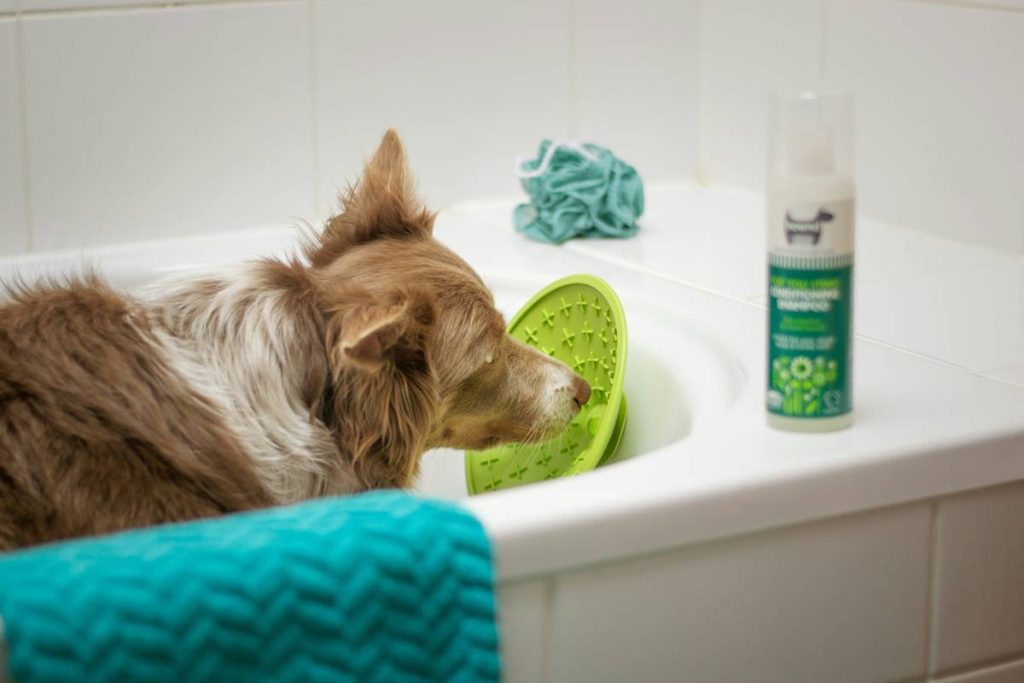
If your dog scratches nonstop after a bath or develops red, irritated skin, the culprit might not be fleas—it could be your shampoo’s pH. Most pet owners don’t realize that human shampoos (even “gentle” baby formulas) are dangerously acidic for dogs. I learned this the hard way when my terrier Scout broke out in hives after I used a lavender-scented human wash “just once.” That expensive vet visit taught me: pH balance isn’t just marketing fluff—it’s essential biology.
In this guide, you’ll discover why a pet pH-neutral bath matters more than fancy fragrances, how to choose and use the right formula, and the one mistake 90% of groomers make (hint: it’s about rinsing, not washing). Let’s dive into science-backed grooming that keeps coats shiny and skin healthy—without the irritation.
Table of Contents
- Why pH Balance Is Non-Negotiable for Pets
- Your Step-by-Step Pet Bathing Routine
- 5 Best Practices for pH-Safe Grooming
- Real Results: Case Studies That Prove It Works
- Frequently Asked Questions
Key Takeaways
- Dog skin has a neutral-to-alkaline pH (6.2–7.4), unlike human skin (pH 5.5)—using acidic shampoos strips natural oils and causes irritation.
- A true pet pH-neutral bath uses formulas tested between pH 6.5–7.0, not “pH-balanced” claims without lab verification.
- Rinsing thoroughly is as critical as product choice; leftover residue disrupts skin barrier function.
- Always patch-test new shampoos and avoid “natural” ingredients like tea tree oil, which can be toxic even in small doses.
Why pH Balance Is Non-Negotiable for Pets
Dogs and cats have a much higher skin pH than humans—typically between 6.2 and 7.4, compared to our acidic 5.5. When you bathe your pet with a human shampoo (pH ~4–6) or an overly alkaline cleaner, you compromise their acid mantle, the protective layer that blocks bacteria, allergens, and moisture loss. The result? Dryness, itching, odor, and even secondary infections.

According to the American Kennel Club, up to 30% of canine skin issues stem from improper bathing practices, including wrong pH products. At Debbie’s Doggies, we’ve seen countless cases where switching to a verified pH-neutral formula resolved chronic scratching within two weeks. For deeper insight, the FDA provides guidelines on veterinary cosmetic safety, emphasizing pH compatibility as a baseline requirement (FDA Animal Grooming Safety).
Your Step-by-Step Pet Bathing Routine
1. Pre-Bath Brushing
Remove tangles and loose fur first. Mats trap shampoo, leading to uneven rinsing and skin irritation.
2. Water Temperature Check
Use lukewarm water—not hot. Test with your wrist (like baby bottle temperature). Hot water opens pores and increases chemical absorption.
3. Apply Verified pH-Neutral Shampoo
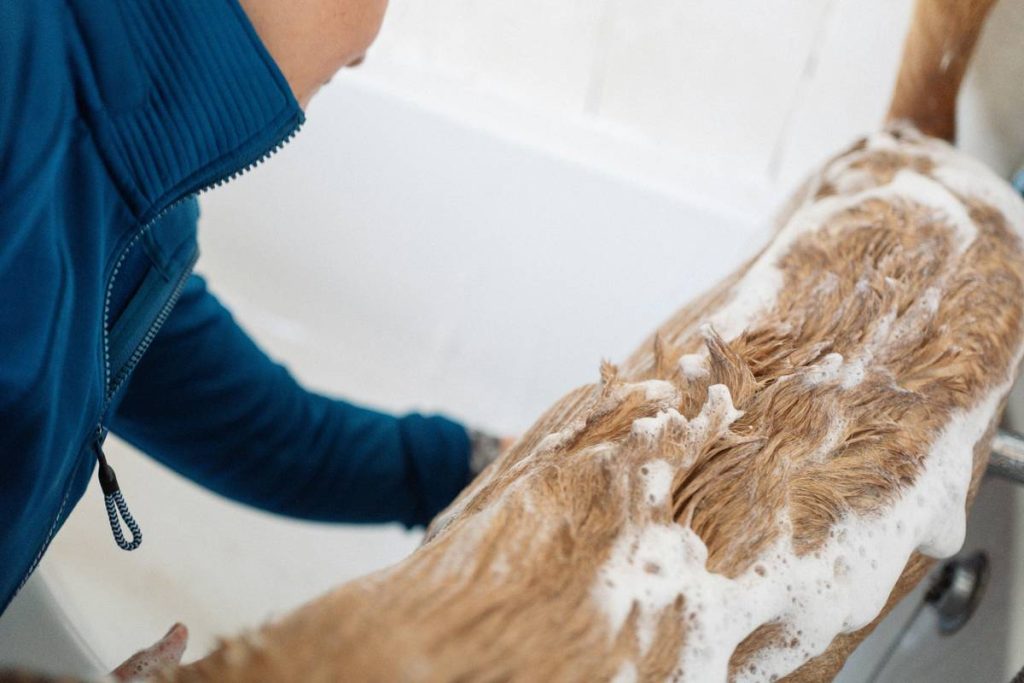
Lather from neck to tail, avoiding eyes and ears. Use only enough to create light suds—more product doesn’t mean cleaner.
4. Rinse Like Your Pet’s Skin Depends on It (It Does)
Rinse for twice as long as you think necessary. Residue is the #1 cause of post-bath itching. Run water until it runs completely clear.
5. Towel Dry and Monitor
Pat dry—never rub. Watch for redness or excessive licking over the next 24 hours.
5 Best Practices for pH-Safe Grooming
- Read labels critically: “pH-balanced” isn’t regulated. Look for brands that publish third-party pH test results.
- Avoid these ingredients: sulfates, parabens, artificial dyes, and essential oils (e.g., tea tree, eucalyptus)—all linked to pet toxicity by the ASPCA (ASPCA Toxic Oil List).
- Bathe only when needed: Most dogs need a bath every 4–8 weeks. Over-bathing strips natural oils, even with pet pH-neutral bath products.
- Store shampoo properly: Heat and sunlight degrade pH stability. Keep bottles in a cool, dark cabinet.
- Never use dish soap: Despite viral “life hacks,” Dawn and similar soaps are extremely alkaline (pH 9–10) and destroy skin barriers.
Real Results: Case Studies That Prove It Works
Last year, a client brought in Luna, a sensitive-skinned Shih Tzu who’d been bathed weekly with an oatmeal “soothing” shampoo labeled “for pets.” Yet she scratched constantly and had recurring hot spots. Lab tests revealed the product’s pH was 8.2—highly alkaline. After switching to a verified pet pH-neutral bath (pH 6.8) and reducing baths to every six weeks, Luna’s skin cleared in 18 days. No medications needed.
Similarly, a 2022 study published in Veterinary Dermatology found that dogs bathed with pH 7.0 shampoos showed 41% less transepidermal water loss (a marker of skin barrier health) compared to those using pH 5.5 formulas. Science confirms what experienced groomers know: neutrality isn’t optional—it’s foundational.
Frequently Asked Questions
Is pH-neutral the same as hypoallergenic?
No. Hypoallergenic means fewer common allergens, but it says nothing about pH. A product can be hypoallergenic yet still too acidic or alkaline for pet skin.
Can I test my shampoo’s pH at home?
Yes—use pH test strips (available online). Mix a small amount of shampoo with distilled water, dip the strip, and compare the color. Aim for 6.5–7.0.
Do puppies need different pH formulas?
Puppy skin is slightly more alkaline (up to pH 7.5), but adult pH-neutral shampoos are still safe. Avoid medicated or heavily scented formulas until they’re fully vaccinated.
What if my dog hates baths?
Try waterless sprays formulated at pH 7.0 for spot cleaning. For full baths, use non-slip mats, calm music, and high-value treats—never force immersion.
Where can I learn more about safe ingredients?
Visit our About Us page to meet our certified groomers, or review ingredient safety via the Privacy Policy for data transparency on product testing.
Switching to a proper pet pH-neutral bath isn’t just grooming—it’s preventative healthcare. And if you’re unsure which formula fits your furry friend’s unique coat and skin, contact us for a personalized recommendation. Because clean shouldn’t mean compromised.
Wash wisely, love deeply—and may your towels stay fluffy, not frayed.