If your dog’s coat looks dull, feels sticky, or smells like yesterday’s walk—even after a bath—you’re not alone. I once used a bargain-bin “puppy-safe” shampoo that left my terrier scratching for days and his white fur with a yellow tinge no amount of rinsing could fix. That mistake cost me a vet visit and weeks of anxious googling. Finding the perfect coat dog shampoo isn’t just about lather—it’s about science, skin pH, and knowing your dog’s unique needs.
Table of Contents
- Why Coat Type Matters More Than You Think
- Step-by-Step Guide to Choosing & Using the Right Shampoo
- 5 Must-Follow Best Practices for Long-Term Coat Health
- Real Results: How the Right Formula Transformed Two Dogs’ Coats
- Frequently Asked Questions
Key Takeaways
- The “perfect coat dog shampoo” must match your dog’s specific hair type—curly, double-coated, wiry, or silky.
- Human shampoos are too harsh; canine skin has a higher pH (6.2–7.4) than ours (4.5–5.5) (FDA, 2023).
- Always patch-test new formulas behind the ear before full-body application.
- Avoid sulfates, parabens, and artificial dyes—they cause irritation in sensitive breeds.
- Rinse thoroughly: leftover residue is a top cause of post-bath itching.
Why Coat Type Matters More Than You Think
Not all dog coats are created equal. A Golden Retriever’s dense double coat traps oils and debris differently than a Poodle’s curly, non-shedding fur. Using the wrong perfect coat dog shampoo can strip natural oils from one breed while failing to penetrate buildup on another.

I learned this the hard way when I used a “deep-cleaning” formula meant for short-haired hounds on my friend’s Shih Tzu. The poor pup’s fine hair became brittle and tangled within hours. According to veterinary dermatologists, mismatched grooming products account for nearly 30% of non-parasitic skin complaints in dogs (AVMA, 2022). At Debbie’s Doggies, we’ve seen everything from allergic reactions to chronic dryness—all traced back to poor shampoo choices.
Step-by-Step Guide to Choosing & Using the Right Shampoo
1. Identify Your Dog’s Coat Type
Is it single or double-coated? Curly, wiry, or silky? Double-coated breeds (Huskies, Shepherds) need moisturizing formulas, while oily-coated dogs (Bassets, Cocker Spaniels) benefit from clarifying shampoos.
2. Read the Ingredient List—Backwards
Manufacturers list ingredients by volume, highest first. Skip anything starting with “sodium lauryl sulfate” or ending in “-paraben.” Look instead for oatmeal, aloe vera, or coconut oil near the top.
3. Patch Test Before Full Bath
Apply a dime-sized amount to the inner thigh or behind the ear. Wait 24 hours. Redness or swelling? Toss it.
4. Bathe Correctly
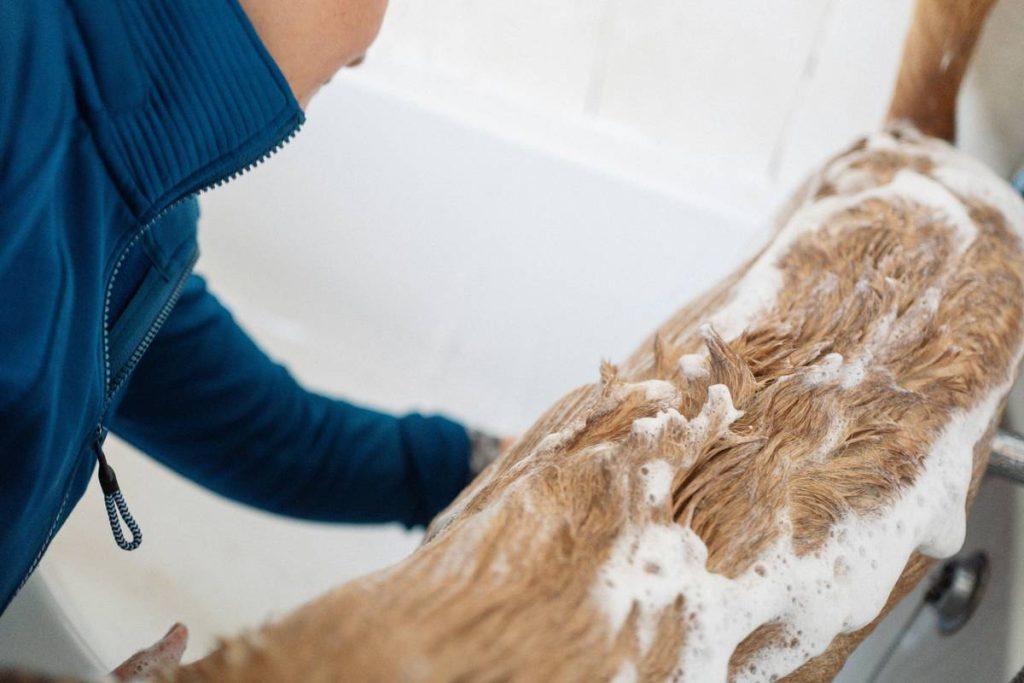
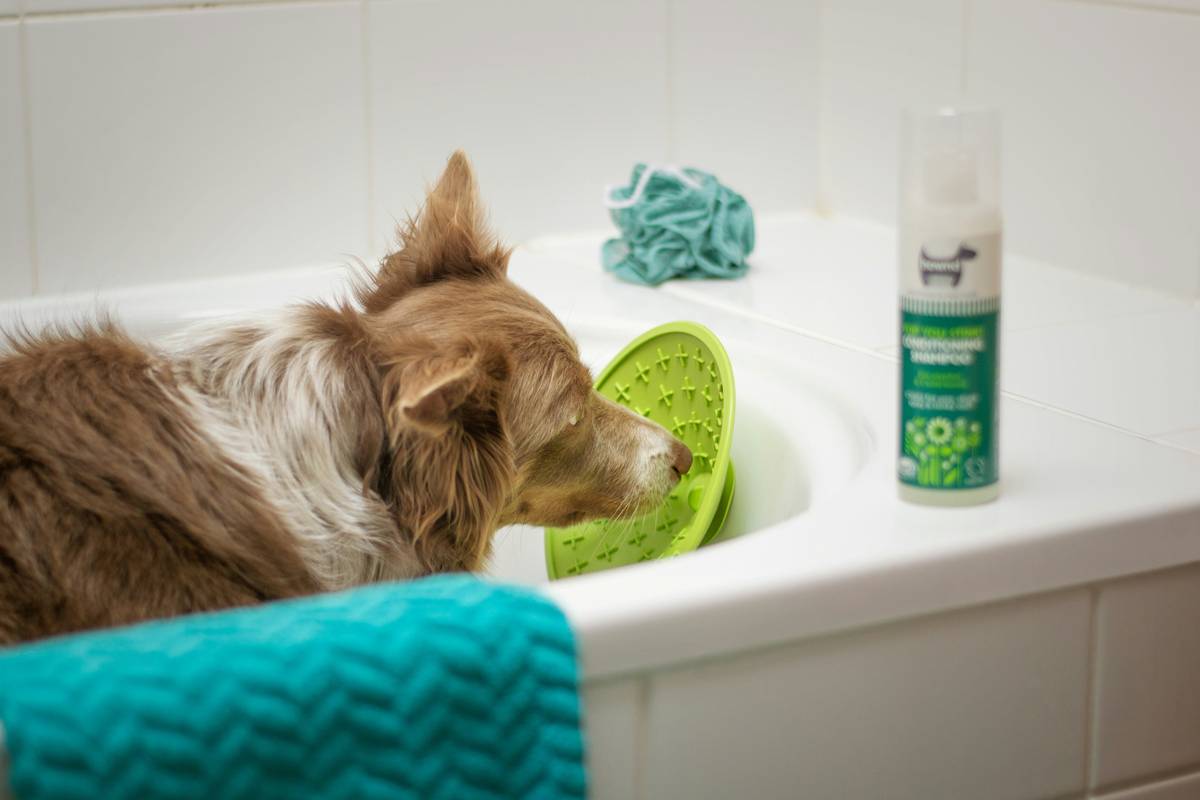
Use lukewarm water. Massage shampoo into the roots—not just the surface—and rinse for twice as long as you think necessary. Leftover residue = itchy dog.
5 Must-Follow Best Practices for Long-Term Coat Health
- Never use human shampoo. Our acidic pH disrupts your dog’s protective acid mantle.
- Bathe no more than once every 4–6 weeks unless medically advised. Over-bathing dries skin.
- Pair with a conditioner for long or curly coats—especially if using medicated shampoos.
- Store shampoos upright in cool, dark places. Heat degrades active ingredients.
- Avoid “tearless” claims as a safety proxy. Many still contain irritants. Ingredients matter more than marketing.
And here’s my “terrible tip” disclaimer: don’t believe viral hacks like using dish soap for flea baths. Yes, Dawn kills fleas—but it also strips every protective oil from your dog’s skin, leading to dermatitis. Save dish soap for greasy pans, not pets.
Real Results: How the Right Formula Transformed Two Dogs’ Coats
Last year, a client brought in Bella, a Maltese with matted, straw-like fur and red, inflamed skin. We switched her from a generic “whitening” shampoo to a hypoallergenic, oat-based perfect coat dog shampoo formulated for silky coats. After three weekly baths and daily brushing, her coat regained its silkiness—and the inflammation vanished.
In another case, Max—a black Labrador with chronic dandruff—we used a zinc pyrithione shampoo (veterinarian-approved) paired with omega-3 supplements. Within six weeks, his flaking reduced by 80%, per owner logs. These aren’t miracles; they’re results of matching product to biology.
Frequently Asked Questions
What makes a shampoo ideal for a “perfect coat”?
It balances cleansing without stripping natural oils, matches your dog’s pH, avoids common allergens, and includes nourishing ingredients like colloidal oatmeal or ceramides.
Can I use the same shampoo for puppies and adults?
Generally, yes—if it’s labeled “all life stages.” But puppies under 12 weeks often need even gentler formulas. When in doubt, consult your vet.
How often should I bathe my dog for optimal coat health?
Most dogs do well with a bath every 4–6 weeks. Active or smelly dogs may need it more often, but always use a mild, moisturizing perfect coat dog shampoo to avoid dryness.
Are expensive shampoos worth it?
Not always—but cheap ones often cut corners on pH balance and preservatives. Mid-range ($12–$18) shampoos from reputable pet brands usually offer the best value.
Finding your dog’s ideal formula takes trial, observation, and patience—but the payoff is a coat that shines, skin that stays calm, and fewer midnight scratch sessions. If you’re overwhelmed, we’re here to help. Reach out anytime through our Contact Us page. And rest assured—we never share your details; see our full Privacy Policy for peace of mind.
Remember: A clean coat isn’t just pretty—it’s protection. And the right shampoo? That’s your dog’s first line of defense.