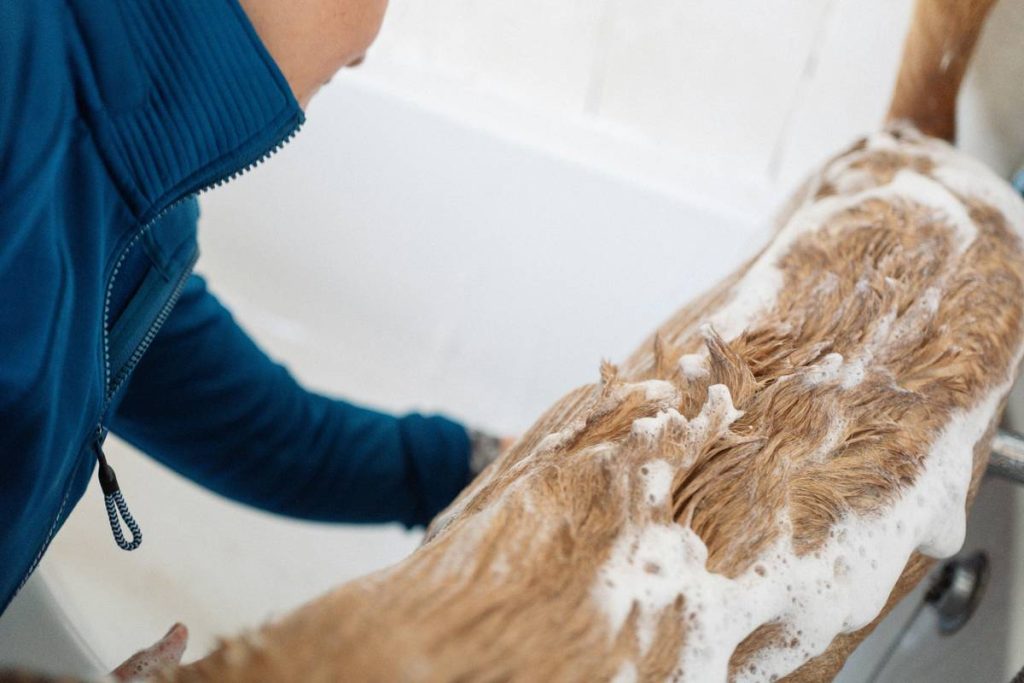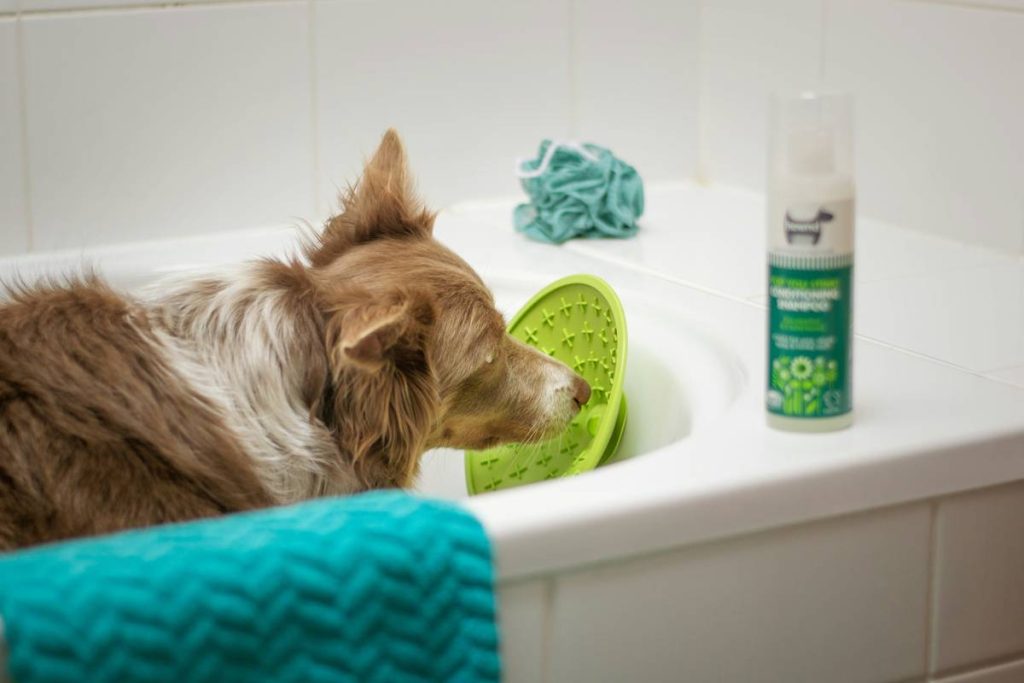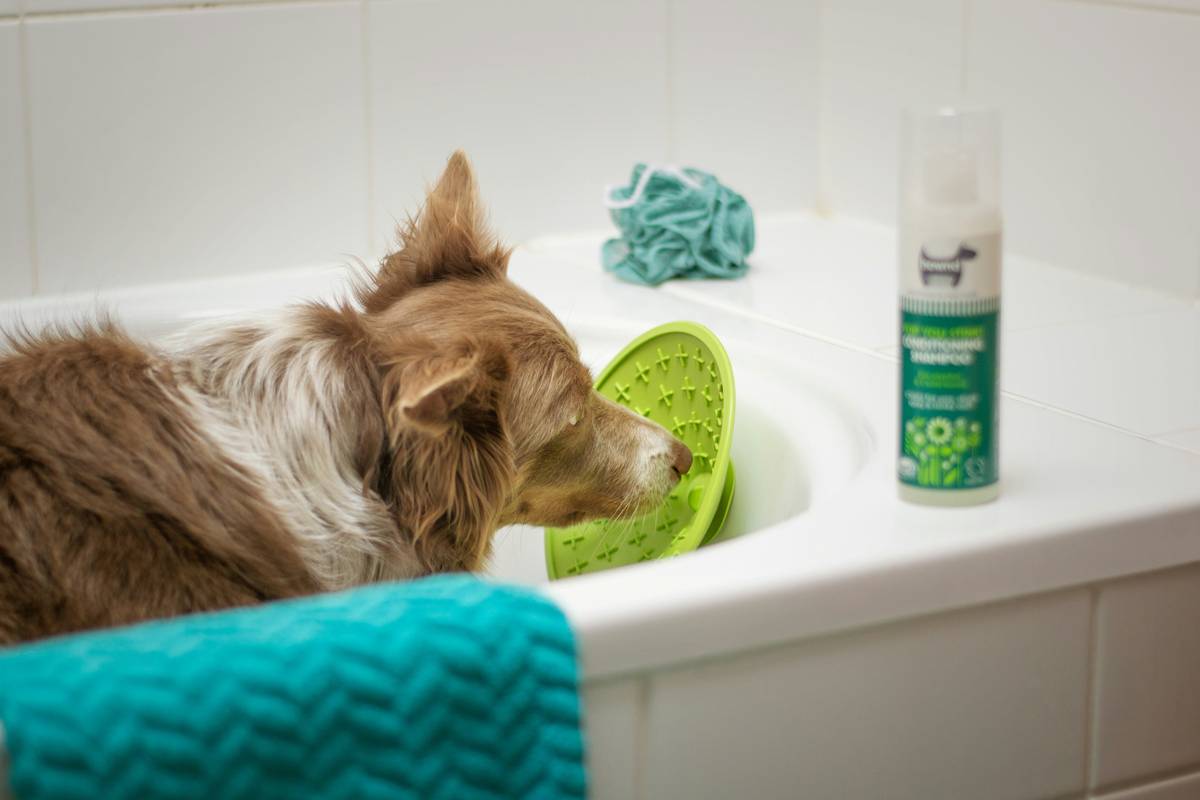
Ever washed your dog only to find red, itchy skin the next day? You’re not alone—and the culprit might be hiding in plain sight: an unbalanced shampoo pH. Dogs’ skin is far more delicate than ours, with a neutral-to-slightly-alkaline pH range of 6.2 to 7.4, compared to human skin’s acidic 4.5–5.5. Using the wrong shampoo can strip natural oils, invite infections, and even cause chronic irritation. This guide cuts through the marketing fluff to show you exactly how pH Level Testing protects your pup. We’ll walk through why it matters, how to test properly, real-world examples, and—yes—the terrible advice you should ignore at all costs.
Table of Contents
- Why pH Balance Is Non-Negotiable for Dogs
- How to Test Your Dog Shampoo’s pH (Step-by-Step)
- Best Practices for Choosing & Using pH-Safe Shampoos
- Real Results: When pH Testing Prevented Disaster
- Frequently Asked Questions
Key Takeaways
- Dog skin has a higher (more alkaline) pH than human skin—typically 6.2–7.4.
- Using human or improperly balanced shampoos disrupts the skin barrier, leading to dryness, itching, and bacterial overgrowth.
- pH Level Testing is quick, affordable, and prevents long-term dermatological issues.
- Always verify pH before first use, especially with “natural” or homemade formulas.
- Look for products labeled “pH-balanced for dogs” from reputable brands—but test anyway.
Why pH Balance Is Non-Negotiable for Dogs
I learned this the hard way. A few years ago, I tried a “gentle” oatmeal shampoo marketed for sensitive skin—only it was formulated for humans. Within 48 hours, my terrier, Buddy, was scratching so badly he developed hot spots. Our vet confirmed: the low pH (around 5.0) had wrecked his acid mantle. That $12 bottle cost me $200 in vet bills and weeks of discomfort for my best friend.
Dogs lack the thick stratum corneum that humans rely on for protection. Their skin barrier depends heavily on maintaining the correct pH to keep beneficial microbes thriving and pathogens at bay. According to the American Kennel Club, pH imbalances are a leading cause of secondary skin infections in pets—many entirely preventable with simple pH Level Testing.
How to Test Your Dog Shampoo’s pH (Step-by-Step)
Gather Your Supplies
You’ll need narrow-range pH test strips (ideally 5.5–8.0 for accuracy), distilled water, and a clean glass container. Avoid universal strips—they lack precision in the critical canine range.
Prepare the Sample
Pour 1 tablespoon of shampoo into the container. Add 2 tablespoons of distilled water and stir gently until homogenous. Let it sit for 2 minutes to stabilize.
Test and Read
Dip the strip for 2 seconds, shake off excess liquid, and wait 15 seconds. Compare the color to the chart under natural light. For safety, aim for 6.5–7.2. Anything below 6.0 or above 7.5 warrants caution.
Document & Decide
Record the result. If it’s outside the safe zone, don’t use it—even if the label claims “pH-balanced.” Marketing isn’t regulation.
Best Practices for Choosing & Using pH-Safe Shampoos
- Never assume “natural” means safe. Vinegar rinses or baking soda mixes often have extreme pH levels—skip DIY unless you’ve done thorough pH Level Testing.
- Check expiration dates. Over time, preservatives degrade and pH can drift.
- Rinse thoroughly. Residue alters skin pH post-bath.
- Pair with skin health. Dogs with allergies or endocrine disorders (like hypothyroidism) are extra vulnerable—consult your vet before switching shampoos.
- When in doubt, test. Strips cost pennies; peace of mind is priceless.
And here’s a terrible tip I once heard: “Just use baby shampoo—it’s gentle!” Wrong. Baby shampoo averages pH 5.5—too acidic for dogs. It may seem mild initially, but repeated use erodes their protective barrier. Save it for humans only.
Real Results: When pH Testing Prevented Disaster
Last winter, a client brought in her senior poodle suffering from recurrent staph infections. She’d switched to a premium “organic” shampoo after reading glowing reviews. We tested it—pH 5.2. No wonder her dog’s skin was inflamed. After switching to a verified pH 6.8 formula (and treating the infection), symptoms resolved within three weeks. The takeaway? Labels lie; data doesn’t.
The FDA doesn’t regulate cosmetic claims for pet products, so third-party verification is rare. That’s why independent pH Level Testing is your frontline defense. For deeper insight, the National Center for Biotechnology Information (NCBI) publishes studies on canine dermatology confirming pH’s role in microbial balance (source).
Frequently Asked Questions
Can I use human shampoo on my dog in an emergency?
Avoid it. Human shampoos are too acidic and lack the buffering capacity for canine skin. In true emergencies (e.g., chemical exposure), rinse with water only and seek veterinary guidance.
How often should I test my dog’s shampoo?
Test new bottles before first use. Re-test every 6 months for opened products stored in humid environments (like bathrooms), as pH can shift over time.
Do pH-balanced shampoos cost more?
Not necessarily. Many affordable brands like Earthbath and Burt’s Bees for Pets publish pH specs. Always prioritize verified balance over price or “natural” labeling.
Can pH imbalance cause hair loss?
Indirectly, yes. Chronic irritation leads to excessive scratching, which damages follicles and causes alopecia. Restoring proper pH often reverses this if caught early.
Where can I buy reliable pH test strips?
Look for strips calibrated for 5.5–8.0 range on Amazon, pet supply sites, or aquarium stores (many fish-keeping strips work perfectly). Ensure they’re from a reputable brand with clear batch testing.
Does water pH affect bathing?
Hard water (high mineral content) can interfere with shampoo performance, but it doesn’t significantly alter skin pH. Still, use distilled water for accurate pH Level Testing to eliminate variables.
Got a specific concern about your pup’s skin or shampoo? We’ve been in your paws—we messed up too, and now we help others avoid the same pain. Reach out anytime via our Contact Us page. And if you’re curious who’s behind this advice, check out our story on the About Us page. Your privacy matters, so review our full Privacy Policy before sharing personal details.
Remember: happy skin starts with smart choices—not fancy labels. Rinse well, test often, and never let marketing override measurement.