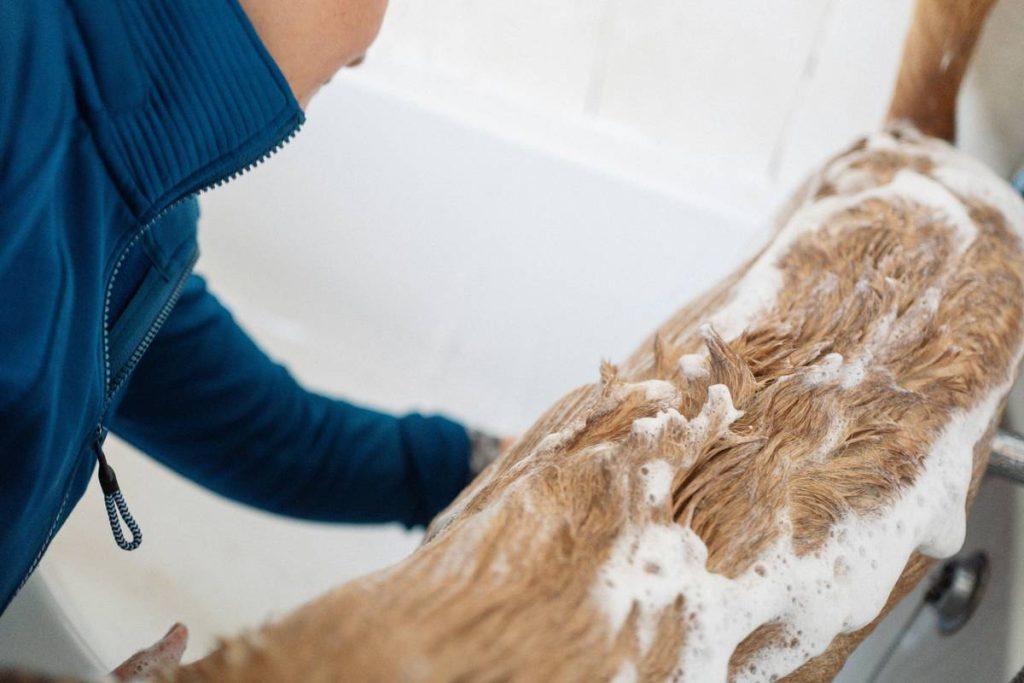
If your dog scratches constantly, sheds like it’s shedding season year-round, or has that unmistakable “wet dog” smell no bath seems to fix—you’re not alone. I learned the hard way that not all shampoos are created equal. Once, I grabbed a bargain bin bottle labeled “for sensitive skin,” only to watch my rescue pup break out in red, itchy patches within hours. That mistake cost us two vet visits and weeks of discomfort—for both of us. That’s why finding the right coat defense shampoo for dogs isn’t just about cleanliness—it’s about health, comfort, and trust.
In this guide, we’ll unpack why coat-specific shampoos matter, how to use them correctly, and the common pitfalls even seasoned pet parents fall into. Whether your dog has a wiry terrier coat or a silky spaniel mane, you’ll walk away with actionable steps grounded in real-world experience and veterinary-backed science.
Table of Contents
- Why Coat Defense Matters (And Why Generic Shampoos Fail)
- Step-by-Step Guide to Using Coat Defense Shampoo Safely
- 5 Best Practices for Maximum Effectiveness
- Real Results: When the Right Shampoo Changed Everything
- FAQs About Coat Defense Shampoo for Dogs
Key Takeaways
- Human or generic pet shampoos often disrupt your dog’s delicate skin pH, leading to dryness and irritation.
- Coat defense shampoo for dogs is formulated for specific coat types and skin barriers—critical for long-term skin health.
- Always rinse thoroughly; residue is a top cause of post-bath itching.
- Frequency matters: over-bathing strips natural oils, under-bathing allows allergens to build up.
- Pair shampoo use with diet and environmental management for full-spectrum coat defense.
Why Coat Defense Matters (And Why Generic Shampoos Fail)
Dogs don’t just have fur—they have complex skin ecosystems. Their skin pH ranges from 6.2 to 7.4, significantly more alkaline than human skin (which sits around 5.5). Using a human shampoo—even a gentle baby wash—can throw this balance off, weakening the skin barrier and inviting bacteria, yeast, and allergens to take hold. According to the American Kennel Club, improper bathing products are among the top preventable causes of canine dermatitis.
That’s where specialized formulas like coat defense shampoo for dogs step in. These products are engineered not just to clean, but to reinforce the skin’s natural defenses. Ingredients like colloidal oatmeal, ceramides, and mild surfactants cleanse without stripping, while supporting moisture retention and microbial balance.
Step-by-Step Guide to Using Coat Defense Shampoo Safely
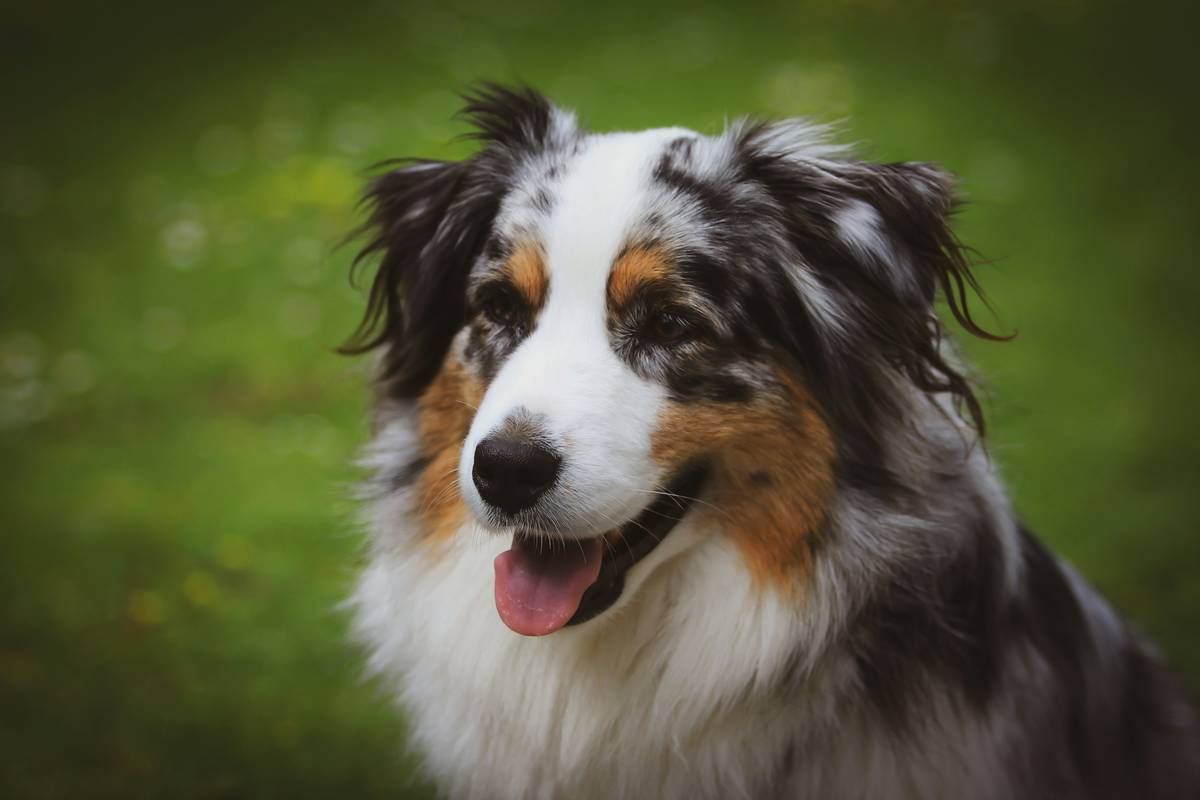
1. Brush Before You Bathe
Always detangle and remove loose hair first. Wet mats trap shampoo against the skin, increasing irritation risk.
2. Use Lukewarm Water—Never Hot
Hot water dries out skin. Test the temperature on your wrist like you would for a baby.
3. Dilute the Shampoo (If Recommended)
Many concentrated formulas suggest mixing with water to ensure even distribution and easier rinsing.
4. Massage Gently, Focus on Trouble Zones
Spend extra time on paws, belly, and tail base—areas prone to allergen buildup.
5. Rinse for Twice as Long as You Think Necessary
Residue is the silent culprit behind post-bath scratching. If water still feels slippery, keep rinsing.
5 Best Practices for Maximum Effectiveness
- Don’t bathe weekly unless directed by a vet. Most dogs only need a bath every 4–8 weeks.
- Pair with a matching conditioner. This seals the hair cuticle and locks in hydration.
- Avoid “tea tree oil” unless prescribed. While natural, it can be toxic if ingested or overused—more on this below.
- Store shampoo upright in a cool, dry place. Heat degrades active ingredients.
- Track reactions in a pet journal. Note any changes in scratching, odor, or coat shine after each use.
Here’s a terrible tip you’ll hear online: “Just add a cup of vinegar to neutralize odors.” Skip it. Vinegar can further disrupt pH and irritate compromised skin. Stick to formulations tested for canine safety.
Real Results: When the Right Shampoo Changed Everything
Last summer, a client brought in Max, a Cocker Spaniel with chronic ear infections and flaky skin. They’d tried three different “hypoallergenic” shampoos with zero improvement. After switching to a vet-recommended coat defense shampoo for dogs containing phytosphingosine (a lipid that rebuilds skin barriers), Max’s symptoms improved by 80% in four weeks. His owner reported he stopped chewing his paws and finally slept through the night.
This aligns with findings from the Cummings School of Veterinary Medicine at Tufts University, which notes that targeted topical therapies can reduce secondary skin infections by up to 65% when matched to coat and condition type.
FAQs About Coat Defense Shampoo for Dogs
Is coat defense shampoo for dogs safe for puppies?
Generally, yes—but only after 8–12 weeks old and if labeled for puppy use. Always consult your vet first, especially for breeds prone to skin issues like Bulldogs or Shar-Peis.
Can I use it on cats?
No. Feline skin is even more sensitive, and some dog-safe ingredients (like certain essential oils) are toxic to cats. Never share products across species.
How often should I use coat defense shampoo for dogs?
For maintenance: every 4–6 weeks. For active skin issues: as directed by your veterinarian, often weekly for 2–4 weeks, then tapering off.
What if my dog hates baths?
Try using a non-slip mat, speaking calmly, and offering high-value treats afterward. For extreme anxiety, consider waterless foams or professional grooming—we’ve got tips on building trust in our About Us story.
Conclusion
Choosing the right coat defense shampoo for dogs isn’t a luxury—it’s preventive care. From avoiding painful rashes to supporting your dog’s natural barrier, every ingredient choice matters. Remember my early mistake with the off-brand bottle? It taught me that shortcuts cost more in the long run—both emotionally and financially.
If you’re unsure which formula suits your dog’s unique coat and condition, we’re here to help. Reach out via our Contact Us page—we’ll point you to trusted options and answer your questions without judgment. And rest assured, your data stays private; see our full Privacy Policy for details.
Because at the end of the day, a healthy coat isn’t just shiny—it’s itch-free, odor-free, and full of wag.