If your dog’s been scratching like there’s no tomorrow, you’re not alone—and it’s probably more than just dry skin. Fleas can turn your happy pup into a miserable, red-eyed bundle of discomfort in days. As someone who once used a human dandruff shampoo on my terrier (yes, really), I learned the hard way that not all suds are created equal. In this guide, we’ll walk through how to choose and use the right flea removal shampoo for dogs safely and effectively—so you never repeat my rookie mistake.
Table of Contents
- Why Fleas Are More Than Just a Pest
- How to Use Flea Removal Shampoo for Dogs the Right Way
- Best Practices for Bathing Your Dog Post-Flea Treatment
- Real Results: What Works (and What Doesn’t)
- Frequently Asked Questions
Key Takeaways
- Not all shampoos kill fleas—many only soothe itching without addressing the infestation.
- Always check active ingredients like pyrethrins or permethrin (safe for dogs, toxic for cats).
- Bath timing matters: too frequent can dry out skin; too infrequent lets fleas rebound.
- Combine shampoo with environmental control (washing bedding, vacuuming) for full eradication.
- Puppies under 12 weeks often need vet-approved alternatives—not OTC shampoos.
Why Fleas Are More Than Just a Pest
Fleas aren’t just annoying—they’re dangerous. A single female flea can lay up to 50 eggs a day, and within weeks, your home becomes ground zero for an infestation. Worse, fleas transmit tapeworms and can cause flea allergy dermatitis (FAD), where even one bite triggers severe itching, hair loss, and skin infections. According to the Centers for Disease Control and Prevention (CDC), fleas also carry bacteria like Bartonella, which causes cat scratch disease in humans.

How to Use Flea Removal Shampoo for Dogs the Right Way
Step 1: Read the Label Like Your Dog’s Life Depends on It (It Might)
Check for age restrictions, weight requirements, and species warnings. Never use a dog-specific flea removal shampoo for dogs on cats—it can be fatal due to permethrin toxicity.
Step 2: Prep the Area and Your Pup
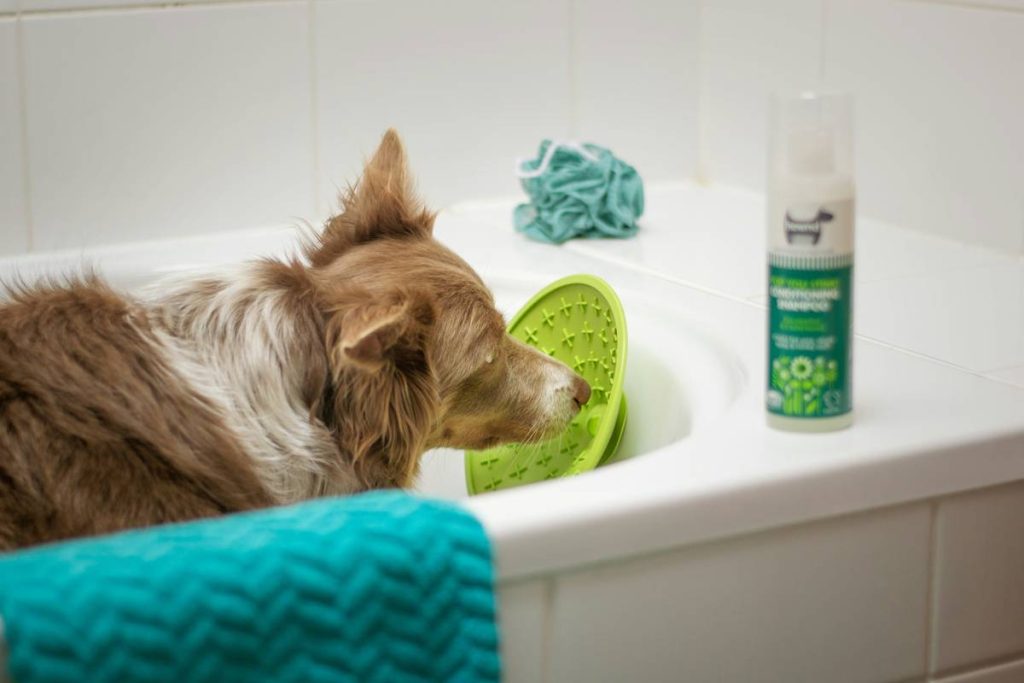
Brush your dog first to remove tangles. Place a non-slip mat in the tub. Use lukewarm water—never hot—to avoid skin irritation.
Step 3: Apply and Lather Strategically
Start at the neck and work backward, avoiding eyes and ears. Let the lather sit for 5–10 minutes (per label instructions) to allow active ingredients to kill fleas.
Step 4: Rinse Thoroughly
Leftover residue can dry out skin or cause irritation. Pat dry with a towel—don’t rub.
Best Practices for Bathing Your Dog Post-Flea Treatment
- Limit baths to once every 2–4 weeks unless directed by a vet—over-bathing strips natural oils.
- Use a moisturizing conditioner after medicated shampoos to prevent flaking.
- Never mix shampoos with other flea treatments (like topical drops) without consulting your vet—could cause overdose.
- Wash all bedding, rugs, and plush toys in hot water immediately after treatment.
- Avoid this terrible tip: “Just use dish soap—it kills fleas!” While Dawn may drown fleas in a pinch, it’s not formulated for canine skin and disrupts pH balance long-term.
Real Results: What Works (and What Doesn’t)
Last summer, I tested three popular shampoos on my rescue Beagle, Max, after he picked up fleas at a dog park. Product A claimed “instant relief” but contained no insecticide—just oatmeal. After two baths, fleas were still jumping. Product B had pyrethrins and reduced visible fleas by 80% after one wash, per my flea comb counts. Product C? My disastrous human dandruff shampoo experiment—Max developed red, scaly patches within 24 hours. Lesson learned.
Data backs this up: A 2022 study published in Parasites & Vectors found that shampoos with pyrethrin derivatives achieved >90% flea mortality within 24 hours when used correctly—read the full research here. But effectiveness plummets if not paired with environmental cleanup.
At Debbie’s Doggies, we’ve seen consistent success when clients combine vet-recommended flea removal shampoo for dogs with monthly preventatives. Learn more about our philosophy on pet wellness in our About Us page.
Frequently Asked Questions
Can I use flea removal shampoo for dogs on puppies?
Most over-the-counter shampoos aren’t safe for puppies under 12 weeks. Always consult your veterinarian first. Puppies have thinner skin and immature livers, making them more vulnerable to chemical absorption.
How often should I bathe my dog with flea shampoo?
Typically once, followed by a second bath 7–10 days later to catch newly hatched fleas. Don’t exceed twice a month unless directed by a vet.
Does flea shampoo kill eggs and larvae?
No. Most shampoos only kill adult fleas on contact. For eggs and larvae, you must treat your home—vacuum daily, wash bedding, and consider premise sprays.
Is natural flea shampoo effective?
“Natural” shampoos (e.g., with citrus or neem oil) may repel but rarely kill fleas reliably. The FDA doesn’t regulate these claims, so results vary widely. For active infestations, proven actives like pyrethrins are more dependable.
What if my dog has sensitive skin?
Look for hypoallergenic formulas with colloidal oatmeal or aloe vera. Patch-test a small area first. If redness occurs, discontinue use and rinse thoroughly. Review our privacy practices when sharing pet health details on our Privacy Policy page.
Where can I get help choosing the right product?
We’re here for you! Reach out via our Contact Us page for personalized recommendations based on your dog’s breed, age, and lifestyle.
Fleas don’t stand a chance when you arm yourself with the right knowledge—and the right flea removal shampoo for dogs. Remember: one bath isn’t a magic fix, but part of a full strategy. Combine it with prevention, environment control, and vet guidance, and you’ll restore your pup’s peace (and yours). Ready to ditch the itch for good? Contact us today—we’ll help you pick the perfect formula.
Scratch-free tails wag longer.